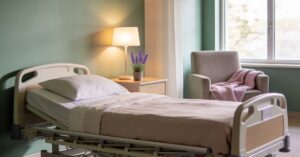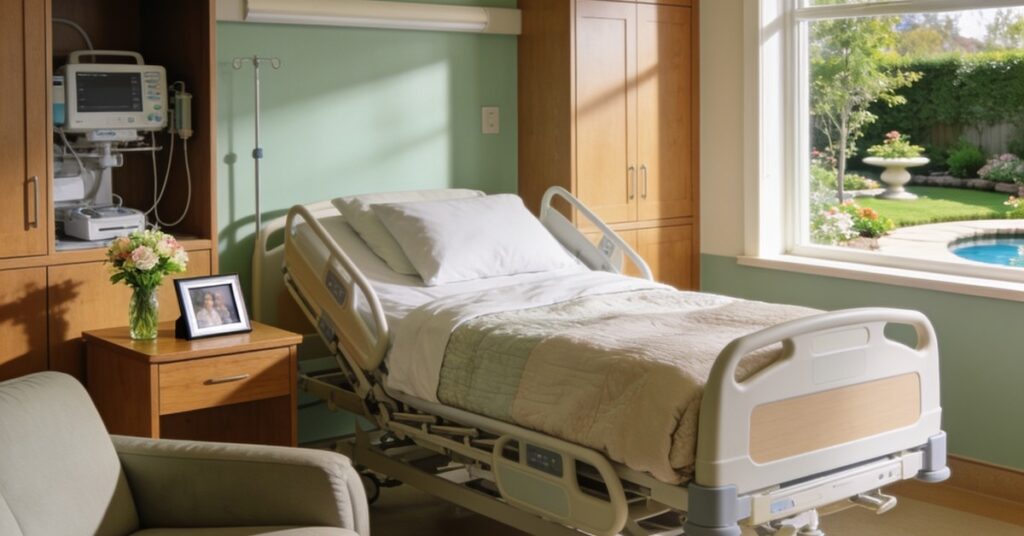
Stepping into a hospice environment can feel overwhelming, yet understanding the design and purpose of these rooms provides a vital sense of clarity during such a sensitive time. In this guide, I share expert insights into what to expect from inpatient hospice facilities, how to navigate their unique amenities, and practical ways to personalise the space to ensure comfort for your loved one. By exploring these essential features and standards, you will feel better prepared to advocate for the peaceful, dignified environment your family deserves.
Hospice rooms are purpose-built inpatient spaces designed to prioritise palliative care, providing a home-like setting where symptom management, emotional support, and family presence are the primary focus. Unlike clinical hospital wards, these rooms function as sanctuaries for patients during their final days, ensuring that medical equipment is present but unobtrusive, and that the environment remains centred on the individual’s comfort and dignity. These hospice rooms serve as a bridge between high-quality clinical expertise and the gentle, private atmosphere required for end of life care.
Defining the Hospice Environment and Inpatient Unit Standards
The fundamental difference between a hospice room and a hospital ward lies in the shift from curative treatment to palliative care, which dictates every aspect of the room’s design and operational philosophy. A 1994 study of 66 subjects, split equally between hospice and local hospital settings, highlighted that hospice environments significantly improve patient and family satisfaction by removing the clinical barriers common in acute care facilities.
| Feature | Hospice Room | Hospital Room |
|---|---|---|
| Primary Focus | Comfort & Quality of Life | Curative Treatment |
| Visitation | 24/7 Access | Restricted Hours |
| Meals | Personalised Menus | Scheduled/Dietician-Approved |
| Furnishings | Personalised/Home-like | Clinical/Medical |
Essential Features for Symptoms Under Control in the In-patient Unit
Hospice rooms are equipped with specific features designed to offer high-acuity medical care whilst maintaining a non-clinical appearance for the patient. Each of the 10 en-suite bedrooms in a standard inpatient unit includes high-acuity adjustable hospital beds and specialised “cuddle beds” that allow for physical closeness between patients and their loved ones. To keep the room feeling like a bedroom rather than a ward, essential medical equipment such as oxygen lines, suction machines, and IV poles is concealed behind bespoke wooden panels or cabinetry.
The rooms also include practical amenities to make an extended stay more manageable, such as a mini-fridge for personal snacks and a television for familiar entertainment. Safety is integrated into the design through the use of non-slip flooring and strategically placed grab bars, while wide doors ensure that gurneys or wheelchairs can move through the space with ease. Every room features a private en-suite bathroom, ensuring that personal care remains a dignified and private experience for the patient.
Architectural Design and Facility Layout for End of Life
The architectural layout of a hospice IPU is carefully planned to reduce stress and physical strain by arranging all patient bedrooms around a central clinical hub. This design ensures that staff can provide rapid, 24/7 assistance whilst keeping the patient’s room a quiet, tranquil space. The design must include reduced walking distances to ensure that nurses are never far away, yet the layout feels spacious and calm rather than utilitarian.
- Direct access to private gardens or courtyards.
- Proximity to therapy and communal areas.
- Ergonomic furniture placement to assist mobility.
- Maximised natural daylight exposure.
Safety Standards and Regulatory Compliance in the UK
In the UK, hospice rooms must meet rigorous safety and accessibility standards to comply with CQC Regulation 15 regarding premises and equipment, and CQC Regulation 9A regarding visiting rights. A single room, including its private en-suite, must provide a minimum area of 25 m² to ensure there is enough space for both the patient and their family to move comfortably. To maintain accessibility, all doorways must have a clear opening width of at least 800 mm, and any thresholds or mat wells must be raised no more than 15 mm to prevent tripping hazards.
Important: Emergency alarm systems must be functional and reachable from both the bedside and the en-suite area at all times, providing a critical safety net for patients with limited mobility.
How to Personalise Your Loved One’s Hospice Room
To personalise a hospice room helps to create a familiar and comforting sanctuary that reflects the patient’s own life and personality. You can start by bringing in familiar soft furnishings, such as the patient’s own quilts, throw blankets, or personal pillows, which provide a sense of warmth that sterile hospital linens cannot replicate. To manage the atmosphere, use battery-operated diffusers or essential oil rollers to introduce calming scents, as these are safer than traditional candles.
- Bring personal photographs or a rotating digital frame.
- Use a Bluetooth speaker for calming music or audiobooks.
- Place spiritual or religious icons on the bedside table.
- Encourage the use of personal clothing instead of hospital gowns.
Choosing Between Inpatient Hospice and Home-Based Care
The choice between hospice care in an inpatient facility and home-based support depends on the intensity of medical support required and the family’s capacity to manage symptoms at home. Inpatient facilities provide 24/7 on-site clinical care where specialist doctors and nurses help keep symptoms under control. These intensive stays typically represent a short stay of 10 to 14 days and often involve advanced symptom management techniques, such as IV titration and acute monitoring, which are difficult to replicate in a domestic setting.
Many families wonder how to handle the emotional toll of caregiving, but in my experience, taking small, scheduled breaks is essential for your own well-being. Whether you choose inpatient care or home support, ensure you have a clear care plan that includes contact details for your multidisciplinary team.
Additional Amenities Provided by the Catering Team
Beyond the standard bedroom, quality hospice facilities offer additional amenities such as free Wi-Fi access, radios, and DVD players to keep patients connected and entertained. Many units also feature spa-style rooms equipped with jacuzzis and hydrotherapy baths, which can offer significant physical relief for patients experiencing pain or muscle tension. The catering team is often available to provide bespoke, nutritious meals that honour the patient’s specific dietary requests or cravings, ensuring their nutritional needs are met with compassion.
Transforming these spaces with familiar personal touches is the most effective way to provide your loved one with a sense of home and security. Remember that you are not alone in this journey, and every small effort to create comfort makes a profound difference in their final days.
Frequently Asked Questions
Are hospice rooms only for the final few hours of life?
No, hospice rooms are often used for a short stay to stabilise a patient’s condition or to manage complex symptoms under control. Many patients return home after their symptoms improve, while others stay for the duration of their end of life care.
Can I stay overnight in the room with my relative?
Yes, most hospice facilities encourage family members to stay overnight to provide emotional support. Rooms are typically equipped with sleeper sofas, Z-beds, or reclining chairs to ensure you can rest comfortably beside your loved one.
How does the catering team handle specific dietary preferences?
The catering team in a hospice focuses on providing personalised, appetising meals rather than rigid clinical diets. You are encouraged to discuss your loved one’s favourite foods or any specific dietary needs with the staff as soon as the patient is admitted.
Is it possible to request a specific hospice unit?
Yes, you can discuss your preferences with your GP or social worker when a referral for hospice care is being made. While placement depends on availability and the specific medical needs of the patient, professionals will always try to accommodate your family’s choice of facility.