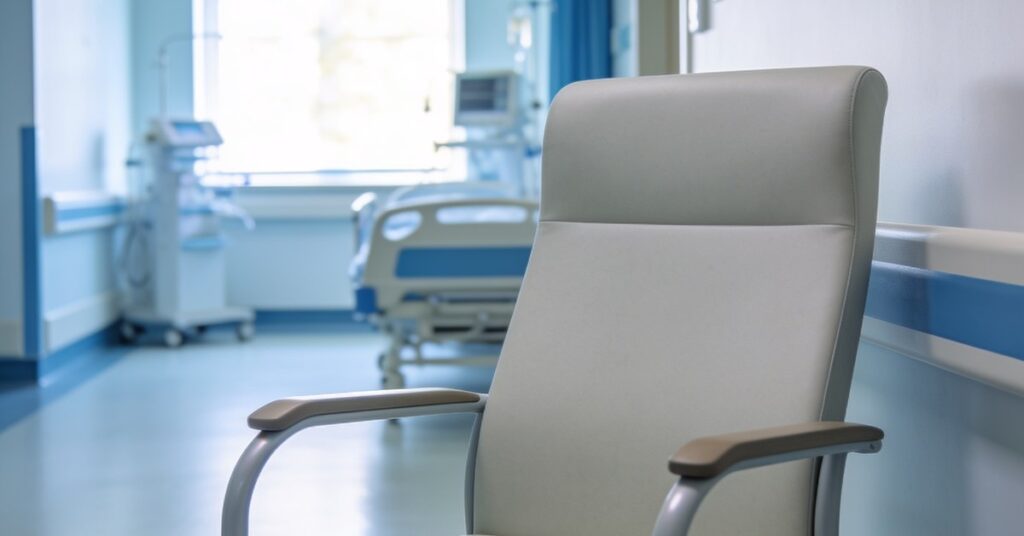
Navigating the sudden transition of a loved one into an acute ward can be an overwhelming experience, yet understanding the Acute Ward Meaning is a vital step in managing the uncertainty of a health crisis. In this guide, I share professional insights into the purpose, daily routines, and discharge processes of these specialised units to help you feel more informed and prepared during this challenging time. By demystifying the clinical environment, we aim to provide the clarity and confidence you need to focus on what matters most: supporting your loved one’s care and comfort.
Role and Purpose of the Acute Medical Unit and AMU
An Acute Medical Unit (AMU) is a specialised hospital department designed to provide 24-hour monitoring and rapid clinical interventions for patients requiring urgent medical support. Exploring the Acute Ward Meaning reveals that these units function as the first point of entry for individuals referred by GPs or the Emergency Department. Adhering to NHS and NICE Guideline No. 94 (2018), the primary objective is to facilitate rapid assessment and diagnosis, typically within 24 to 72 hours, ensuring that every patient receives a prompt treatment plan tailored to their specific medical needs.
Differentiating Between the Hospital Ward and Psychiatric Units
Acute wards provide short-term, intensive crisis intervention, whereas psychiatric wards offer a broader, more varied spectrum of mental health services. While an acute medical ward focuses on physical stabilisation, psychiatric wards encompass a wider range of facilities, including long-term rehabilitation wards, secure forensic units, and specialised eating disorder wards. For many experiencing mental health crises, such as severe psychosis or a high risk of self-harm, these units provide immediate safety, though community-based alternatives like crisis houses may offer a less medicalised, supportive environment for those who do not require a formal hospital stay.
| Feature | Acute Medical Ward | Psychiatric Ward |
|---|---|---|
| Primary Focus | Physical stabilisation | Mental health crisis/rehab |
| Typical Duration | A few days to 1 week | Weeks, months, or years |
| Setting | General hospital | Specialised unit |
Conditions and Patients Treated During an Acute Hospital Stay
Acute wards treat patients experiencing severe, time-sensitive physical or mental health conditions that require urgent medical oversight. This includes individuals suffering from severe asthma, community-acquired pneumonia, COPD exacerbations, heart conditions, hypertension crises, strokes, or complications such as diabetic ketoacidosis and severe dehydration. The units are also equipped to support patients undergoing medically assisted withdrawal from substances, those with acute psychosis or severe depression, and individuals requiring urgent, non-elective surgery or immediate post-operative recovery.
Navigating the Consultant-Led Routine and Ward Environment
The daily routine on an acute ward is highly structured to ensure that patient observations and treatments are carried out with precision. Have you ever felt like you’re carrying the weight of the world on your shoulders while trying to keep track of a loved one’s medical schedule? Symptom tracking and regular communication with the nursing staff can help lighten that burden significantly.
- 05:00 – 07:00: Morning bloods and IV medications.
- 07:00: Shift handover to day nursing staff.
- 08:00 – 13:00: Consultant-led ward rounds.
- 17:00 – 18:00: Evening meal service.
Visiting Guidelines and Outpatient Considerations
Visiting hours are strictly managed to balance the need for family presence with the requirement for a quiet, therapeutic healing environment. Visitors are permitted between 2 PM and 7 PM, with a maximum of two people allowed at the bedside at any one time to maintain ward safety. Please note that children under 16 years old are not allowed on the ward, a policy designed to protect both the young visitors and the vulnerable patients in an acute setting.
The Multidisciplinary Team and Discharge Planning
Care on an acute ward is delivered by a diverse multidisciplinary team, with the Consultant leading ward rounds and establishing the primary treatment plans. Registrars, Junior Doctors, and Advanced Clinical Practitioners (ACPs) perform daily physical examinations and prescribe medication, while the Ward Sister or Charge Nurse oversees the budget and staffing levels. Alongside them, Registered Nurses manage complex equipment like IVs, Healthcare Assistants (HCAs) support daily living tasks, and the Ward Pharmacist ensures medication safety; meanwhile, Physiotherapists, Occupational Therapists, and Discharge Coordinators work together to address mobility, home adaptations, and the logistics of a safe departure.
Understanding Expected Lengths of Stay
The duration of an admission depends heavily on the specific unit and the patient’s recovery trajectory. While patients in an AMU typically stay for 24 to 48 hours, those in general acute wards remain for an average of 5.5 days. Intensive hospital care usually lasts up to 7 days, whereas acute inpatient mental health wards often require a stay of 30 to 40 days, generally not exceeding 90 days, though individual cases vary significantly based on the complexity of the patient’s needs.
The Discharge Process and Recovery
Discharge planning is a proactive process that begins as soon as a patient is admitted, with senior doctors establishing an Expected Date of Discharge (EDD). In my experience, taking small, scheduled breaks during this waiting period is essential for your own well-being as a caregiver. Hospitals follow the ‘Discharge to Assess’ (D2A) national framework to categorise patients into minimal or complex discharge pathways.
- Discuss the care plan with the Discharge Coordinator early.
- Ensure the patient has a 7-day supply of TTO (To Take Out) medications.
- Confirm follow-up appointments and any necessary home adaptations.
Important: Always notify your GP surgery at least 48 hours in advance for repeat prescriptions once the hospital-provided medication supply runs out.
Frequently Asked Questions
Can I bring personal items for my relative?
Yes, you can bring small personal belongings like photos, reading materials, or comfortable clothing to help your loved one feel more at home. Please check with the nursing staff first to ensure items do not interfere with medical equipment or ward safety protocols.
What should I do if my relative is moved to a different ward?
Staff will typically inform the next of kin if a patient is transferred to another department for specialised care. If you are uncertain about their location, please contact the hospital’s main switchboard or the PALS office for assistance.
Are there parking facilities for visitors?
Most hospital sites offer designated visitor parking, though availability can be limited during peak hours. Some NHS trusts provide reduced-rate permits for families of long-stay patients, so it is worth asking at the hospital reception upon your first visit.
How is patient confidentiality maintained?
Patient records are strictly protected under data protection laws, and staff are trained to discuss clinical information only with authorised family members. You can use official clinical portals like the MyChart app to securely view relevant updates if the patient has granted you access.
Proactive communication with your medical team is the best way to ensure your loved one receives seamless care throughout their stay. Always remember to request your repeat prescriptions from your GP at least 48 hours before the hospital-supplied medication ends to maintain a smooth transition home.