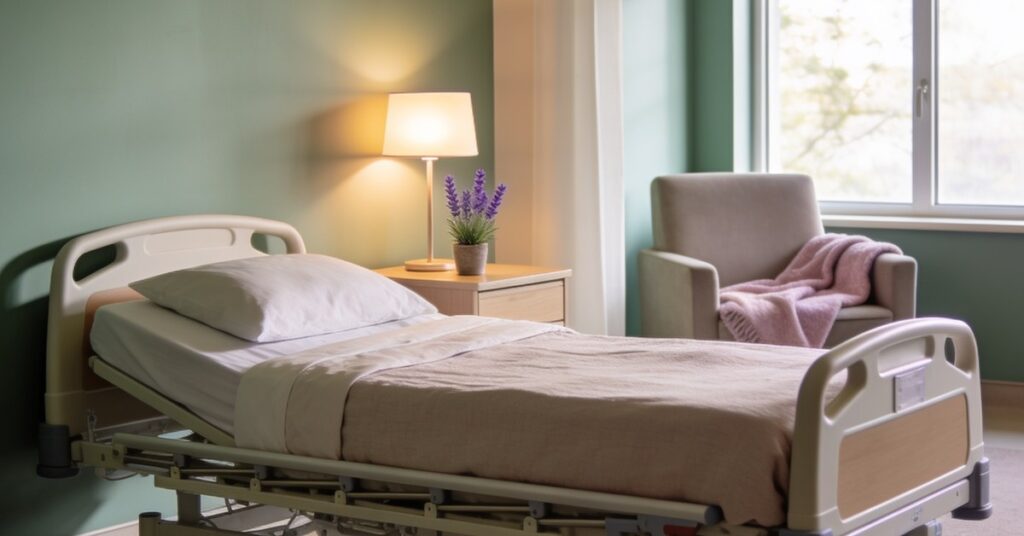
Creating a peaceful, home-like environment in a Hospice Room is a vital step in honouring your loved one’s comfort and dignity during their final journey. In this guide, I share practical insights on how to transform a clinical space into a sanctuary of support, helping you understand the essential equipment and personal touches that make all the difference. By focusing on both the functional requirements and the emotional needs of your family, you will feel better prepared to navigate this transition with confidence and care.
A Hospice Room is a specialised, private inpatient space designed to prioritise patient comfort and family connection over the strictly clinical, curative focus of a traditional hospital ward. These rooms serve as a calm, supportive environment where multidisciplinary teams—including nurses, social workers, counsellors, and volunteers—provide holistic palliative care in a setting that encourages 24/7 visitation.
Differences Between a Hospice Facility and Hospital Environments for End of Life Care
Hospice rooms are fundamentally distinct from hospital environments because they replace the sterile, alarm-filled atmosphere of acute care with a focus on personal comfort and continuous family presence.
| Feature | Hospice Room | Hospital Room |
|---|---|---|
| Visitation | 24/7 Access | Strict hours |
| Primary Focus | Comfort & Quality of Life | Curative treatment |
| Atmosphere | Personal & Home-like | Clinical & Diagnostic |
Essential Features for a Peaceful and First-Class Hospice Facility
The clinical functionality of a Hospice Room is built upon a foundation of high-low elevation beds, integrated medical gas access, and specialised monitoring systems that remain discreetly managed by professional staff. These rooms are equipped with syringe drivers for pain management, suction machines for airway secretions, and oxygen concentrators, all of which ensure that complex medical needs are met without compromising the room’s peaceful aesthetic.
Universal Accessibility Standards and En-suite Requirements
Safety and accessibility are non-negotiable, with requirements such as zero-threshold doorways and non-slip flooring ensuring that every space is navigable for patients and visitors alike. To maintain professional standards, sink mounting heights are kept to a maximum of 34 inches (86.36 cm), and nurse call buttons or pull-cords are installed within reach of both the bed and the level-access en-suite bathroom to ensure immediate assistance is always available.
Designing a Relaxing Atmosphere to Support Loved Ones
You can create a therapeutic environment by layering lighting and using nature-inspired colour palettes to significantly reduce patient anxiety and help regulate circadian rhythms. By replacing harsh fluorescent lighting with warm-toned LED lamps or fairy lights and using soft blues, sage greens, and warm neutrals, you transform the room into a space that actively promotes emotional stability and lowers heart rates.
Important: Always consult with the hospice staff before installing any electrical items or hanging heavy objects to ensure they comply with local fire and safety regulations.
Personalising the Hospice Room for Comfort
Personalisation is the most effective way to help a patient maintain their identity, which can be achieved by bringing in familiar textiles like a favourite quilt or by displaying cherished family heirlooms. Using non-damaging adhesive strips to hang photographs, setting up a digital photo frame, or using a Bluetooth speaker to play familiar music creates a sensory experience that feels uniquely theirs.
- Comfortable environment: Bring soft blankets and familiar pillows.
- Symptom tracking: Keep a log of how your loved one is feeling to share with the care team.
- Emergency contact list: Keep a printed card with key hospice staff numbers at the bedside.
- Discuss the care plan with the lead nurse to understand the daily routine.
- Request a tour of the family lounge and kitchen facilities.
- Establish a simple, rotating schedule for family visits to avoid overwhelming the patient.
Frequently Asked Questions
How can I book or enquire about a room hire within a hospice charity?
You can typically start the process by contacting the facility directly via their website enquiry form or by calling their administrative office. They will provide details on current availability and the internal criteria for accessing these specialised spaces.
Do hospice facilities provide meals for visiting family members?
Most hospices feature a dedicated catering team that provides meals for both patients and visitors, often within a shared family kitchenette or lounge area. It is best to ask the staff about meal times and any specific dietary requirements you may have during your stay.
Is there access to a garden for patients and their families?
Yes, many modern hospice facilities are designed with direct access to a private, peaceful garden to help soothe emotional distress through nature. These outdoor spaces are vital for providing a change of scenery and a quiet area for reflection during difficult times.
What should I do if I need additional emotional support during my visit?
You can reach out to the hospice’s specialist counsellors or volunteer support services who are trained to assist families throughout the end of life care process. These professionals are available to listen and provide guidance whenever you feel the emotional weight of your circumstances.
Thoughtful arrangement of personal items and sensory comforts can significantly improve the quality of life for your loved one during their stay. Prioritising these small adjustments ensures that the medical environment remains a sanctuary focused on dignity and peace.