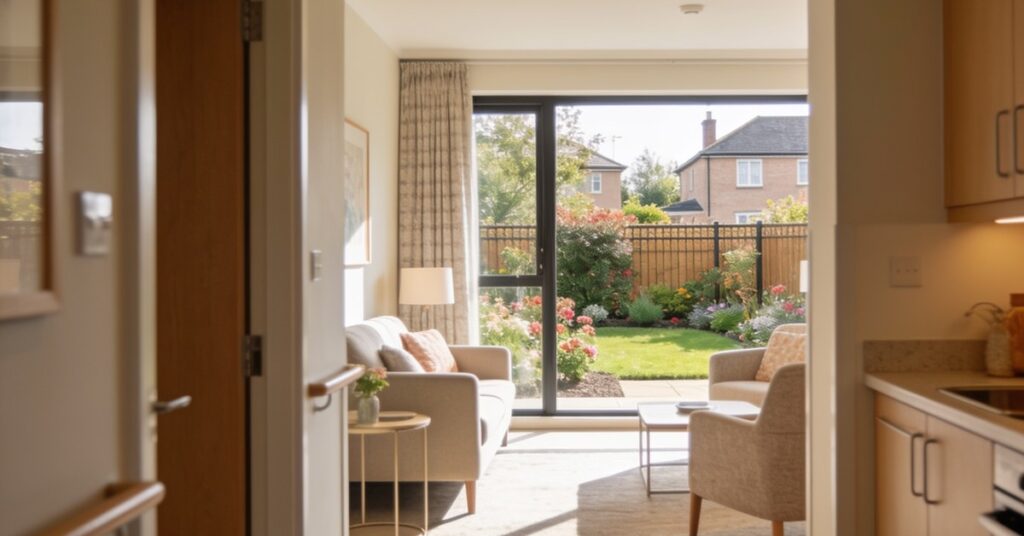
Navigating the transition to an Extra Care Home can be an emotionally taxing experience for both you and your loved ones, often marking a significant shift in how you approach long-term care and independence. In this guide, I share my professional insights to help you understand exactly what to expect from these facilities, how to evaluate your options, and the practical steps you can take to ensure a secure and supportive environment. My goal is to provide the clarity you need to move forward with confidence, ensuring that your loved one’s dignity and quality of life remain the central focus during this period of change.
An Extra Care Home is a form of independent living where residents reside in self-contained flats or bungalows, each with their own front door, while benefiting from 24-hour on-site personal care and support staff. These facilities provide a secure environment equipped with emergency alarm systems, such as wearable pendants, allowing individuals—typically aged 55 or 60 and over—to maintain their autonomy while receiving assistance with daily tasks like medication, washing, or dressing.
Extra care home
Czym jest mieszkalnictwo wspomagane (Extra Care)?
Mieszkalnictwo z opcją wsparcia (ang. extra care housing) umożliwia osobom starszym lub z niepełnosprawnościami zachowanie samodzielności w dedykowanych, w pełni wyposażonych lokalach. Mieszkańcy dysponują własnym niezależnym wejściem, jednocześnie korzystając z całodobowej pomocy personelu, systemów reagowania kryzysowego oraz infrastruktury wspólnej, takiej jak ogrody czy stołówki.
To rozwiązanie dedykowane seniorom, którzy wymagają opieki, lecz pragną zachować prywatność własnego mieszkania. Stały dostęp do profesjonalnego wsparcia medycznego i bytowego stanowi fundament tej formy zamieszkania.
Charakterystyka mieszkalnictwa wspomaganego
Ten typ obiektów łączy niezależne życie z profesjonalną pomocą. Kluczowe elementy oferty obejmują:
- Niezależne, samowystarczalne lokale mieszkalne.
- Całodobową opiekę i wsparcie zespołu medycznego.
- Dostęp do systemów bezpieczeństwa i szybkiej reakcji w razie zagrożenia.
- Usługi gastronomiczne oraz wsparcie w codziennych czynnościach.
- Utrzymanie standardu wysokiej jakości życia poprzez usługi socjalne.
Kryteria kwalifikacji i formalności
Aby skorzystać z tego rozwiązania, zazwyczaj należy spełnić określone wymagania. Zasady mogą się różnić w zależności od konkretnego projektu, jednak najczęstsze wytyczne obejmują:
- Minimalny próg wiekowy (najczęściej powyżej 55 lub 60 roku życia).
- Udowodnioną potrzebę wsparcia w codziennym funkcjonowaniu lub opieki zdrowotnej.
- Przejście procesu oceny potrzeb przez organy opieki społecznej w rejonie zamieszkania.
W celu uzyskania szczegółowych informacji na temat kosztów, dostępności miejsc oraz procedur aplikacyjnych, zaleca się kontakt z lokalnym urzędem gminy lub działem usług socjalnych. Warto również zasięgnąć porady u niezależnych organizacji wspierających seniorów w procesie wyboru odpowiedniego miejsca do życia.
Distinguishing Extra Care Housing from Residential Care Service
Extra Care Housing is fundamentally different from a residential care service because it protects your right to a private, self-contained living space rather than a single room within a communal facility. While residential care homes offer a higher level of continuous, intensive daily assistance, Extra Care Housing is regulated by the Care Quality Commission (CQC) to provide a flexible palliative care support model that can adapt as your health needs change.
| Feature | Extra Care Housing | Residential Care Home |
|---|---|---|
| Living Space | Self-contained flat/bungalow | Private room, shared facilities |
| Autonomy | High independence | Assisted environment |
| Care Level | As needed (flexible) | Continuous daily assistance |
Enhancing Independent Living and Security within the Scheme
Living in an Extra Care facility significantly improves well-being by providing a blend of private independence and a vibrant, supportive community. In my experience, the emotional toll of transitioning to assisted living is softened when a person retains their hobbies and social rituals, so I always recommend looking for schemes that prioritise these communal links.
- Social activities: Coffee mornings, bingo, and fitness classes.
- Lifestyle amenities: Hair salons, therapy rooms, libraries, and restaurants.
- Outdoor spaces: Landscaped and secure communal gardens.
Navigating Eligibility for an Extra Care Scheme
To secure a place in an Extra Care scheme, you must meet specific age requirements and undergo a formal care needs assessment by your local council to ensure the provision aligns with the Care Act 2014. Have you ever felt like you’re carrying the weight of the world on your shoulders while trying to decipher council paperwork? It is a complex process, so follow these logical steps to stay on track:
- Request a formal care needs assessment from your local council.
- Verify your status on the local housing register.
- Confirm if your chosen area requires a specific 'local connection’ for eligibility.
Managing the Costs of Your Extra Care Housing
Funding your move involves managing a combination of personal finances and state support, with the local authority financial threshold for care funding in England currently set at £23,250. Remember: Always seek independent financial advice through the Society of Later Life Advisers (SOLLA) to ensure you are maximising your entitlements, such as Attendance Allowance or the housing element of Universal Credit.
Practical Steps to Selecting a Quality Care Service
Choosing the correct scheme requires a proactive approach, beginning with a request for a free care needs assessment from your local council to determine your specific level of required support. When visiting, keep a checklist of essential accessibility features to ensure the property meets your long-term needs.
- Level-access showers for safety.
- Wide doorways for mobility aids.
- Lowered worktops in the kitchen.
Important: Always verify the latest provider ratings on carehome.co.uk and check the CQC inspection reports before signing any agreement. Implementing a robust care plan early on will help you manage expectations and ensure that symptom tracking or routine support is handled professionally from day one.
Najczęstsze pytania (FAQ)
Can I bring my own furniture to the apartment?
Yes, because these are self-contained properties, you are encouraged to bring your own furniture and personal belongings to make the space feel like home. This helps maintain a sense of continuity and comfort during your transition into the new living environment.
How does the emergency alarm system work?
The system typically involves wearable pendants or wall-mounted pull cords that connect directly to an on-site team available 24/7. This ensures that help can respond immediately to any emergency, providing a high level of security at all times.
Are pets allowed in Extra Care Housing?
Pet policies vary by specific scheme provider, so it is essential to check the individual rules of your chosen location before moving. Many facilities are happy to accommodate well-behaved pets, as they often provide significant emotional support to residents.
What happens if I need more care later?
Extra Care Housing is designed to be flexible, meaning your care package can be reviewed and increased by professional staff as your health needs evolve. This allows you to remain in your own home for as long as possible without needing to move again.
Selecting the right living environment is a significant step that requires balancing independence with the reassurance of accessible professional support. Always prioritise a thorough CQC inspection review to ensure the facility meets your specific long-term health and safety requirements, providing both you and your loved ones with lasting peace of mind.