Navigating the transition to a more supportive living environment is often a complex, emotional milestone for families balancing the challenges of caregiving and the need for long-term security. In this guide, I will walk you through the practical realities of Sheltered Housing, providing you with the reliable information needed to understand the facilities, costs, and eligibility criteria involved. By clarifying these options, we aim to help you make an informed, confident decision that best supports your loved one’s independence and peace of mind.
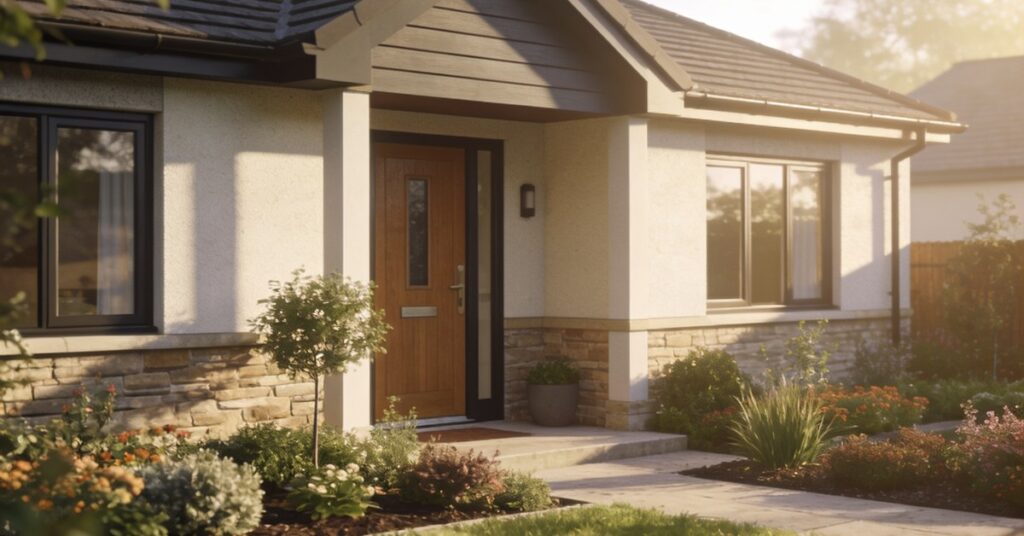
Sheltered Housing is a form of independent living accommodation specifically designed for older people, typically those aged 55 or 60 and above, who wish to maintain their own private household while benefiting from the security of on-site support services. It provides a bridge between living in a standard family home and needing the 24/7 intensive assistance found in residential care, offering properties such as self-contained flats or bungalows that feature private kitchens and bathrooms. By integrating emergency alarm systems and a scheme manager, these developments allow residents to live autonomously while ensuring that help is always available during a crisis, which significantly eases the emotional burden on family caregivers who may otherwise worry about a loved one living alone.
Understanding Sheltered Housing and Independent Living Housing Options
Sheltered Housing works by combining the privacy of a self-contained home with communal facilities and safety features that promote Independent Living. Residents generally rent or buy these properties through local councils, housing associations, or private developers, ensuring that there is a diverse range of Housing Options available to suit different financial situations. Because these schemes are not nursing or residential care homes, they do not provide personal care, nursing, or meal services; however, they offer a secure, manageable environment that is often a welcome relief for those managing the early stages of a chronic illness or the natural process of ageing.
The daily operation of these schemes relies on a scheme manager or warden, who may be on-site or visiting, to oversee the smooth running of the residence and assist with any logistical issues. Residents are responsible for managing their own household, including paying for utility bills and Council Tax, alongside a regular Service Charge that covers the upkeep of shared spaces. This structure allows seniors to remain masters of their own domain while having the peace of mind that a 24/7 emergency alarm system is linked to their property, providing a crucial safety net that can be life-saving in a medical emergency. When my own father was deciding on his next move, seeing the security of an alarm system gave our family the confidence to let him stay independent for longer.
Eligibility Requirements for Retirement Housing and Housing Options for Older People
Eligibility for Sheltered Housing is primarily determined by age and the demonstrated need for the specific support services provided, such as emergency monitoring or warden assistance. Most schemes set a minimum age threshold of 55 or 60, though some providers are more flexible; for example, they may accept applicants aged 55 if they are registered disabled, or permit a tenant aged 55 plus to live with a partner who is aged 50 or older. Crucially, all applicants must be capable of living independently, as these facilities are not designed for individuals who require constant, hands-on personal care or supervision.
Beyond basic age and health requirements, local authorities and housing providers often impose additional criteria to ensure resources reach those most in need. Councils frequently require evidence of a local connection to the specific area to ensure that long-standing residents of a community are prioritised. Furthermore, some private or housing association providers may implement a maximum limit on an applicant’s capital or savings, such as requiring total assets to be under £60,000, to ensure that the housing is accessible to those on lower incomes. Demonstrating a genuine need for the specific safety features of the scheme is the final, essential step in the eligibility process.
Facilities, Adaptations, and Supported Housing Accommodation
Facilities in Sheltered Housing are thoughtfully designed to remove the physical barriers to independence, with approximately 527,000 designated properties currently available across the UK. By providing purpose-built adaptations such as level-access showers, grab rails, and widened doorways, these properties accommodate changing mobility needs without the institutional feel of a hospital or care facility. These physical changes are vital for preventing falls and maintaining dignity, which are common concerns for families supporting an ageing relative.
The social environment is equally important, as Sheltered Housing is designed to combat the loneliness that often accompanies the end-of-life journey or the loss of a spouse. Communal lounges, landscaped gardens, and laundry rooms serve as the heart of these communities, hosting activities like coffee mornings, film nights, and gardening clubs that encourage meaningful interaction. Additionally, the inclusion of guest suites for overnight visitors and secure storage for mobility scooters ensures that residents can maintain their social connections and personal interests, while the housing provider manages all external maintenance, building insurance, and gardening, freeing the resident from the physical and mental toll of property upkeep.
Financial Considerations: Costs, Funding, and Service Charge
Financial planning for Sheltered Housing involves accounting for a range of costs, with monthly rental fees typically falling between £300 and £1,500, though many find options in the £300 to £700 range depending on the property size and location. Residents must budget for their ongoing mortgage or rent payments, alongside utility bills and a regular Service Charge that contributes to the upkeep of the communal areas and the emergency alarm system. Understanding these costs early is an essential part of the caregiving process, as it prevents financial stress from compounding the emotional challenges of transitioning to a new home.
Several funding avenues are available to help bridge the gap for those on lower incomes or with specific health needs. Universal Credit and Housing Benefit can often cover core rent and eligible service charges, including costs associated with lift maintenance, communal cleaning, and general security measures. For those needing extra support, Pension Credit may be available to boost weekly income, and the non-means-tested Attendance Allowance can provide vital funds for individuals dealing with a disability or long-term illness. Furthermore, local authorities may offer Council Tax Reduction schemes or Discretionary Housing Payments (DHPs) to assist with any shortfalls, ensuring that financial constraints do not prevent a senior from accessing the support they require.
Distinguishing Between Sheltered Housing and Extra Care Housing
The fundamental difference between Sheltered Housing and Extra Care Housing is the level of personal assistance provided, as Sheltered Housing is strictly for independent living, whereas Extra Care schemes offer more intensive, flexible support. In Sheltered Housing, residents live in self-contained flats or bungalows and manage their own daily tasks, whereas Extra Care includes direct help with washing, dressing, medication, and the management of all meals. This distinction is critical for families; Sheltered Housing is not inspected or given performance ratings by care regulators, because it does not provide the clinical or personal care services that necessitate such rigorous oversight.
| Feature | Sheltered Housing | Extra Care Housing |
|---|---|---|
| Personal Care | Not provided | Flexible, 24-hour availability |
| Meals/Daily Tasks | Resident managed | Assistance available |
| Regulator Ratings | None | Inspected/Rated |
Understanding this boundary is essential for caregivers to ensure they are choosing the right level of support. If a loved one is still active and capable of managing their own routines, Sheltered Housing allows for a sense of autonomy that is highly beneficial for emotional well-being. However, if that individual reaches a point where they require daily help with personal tasks, a transition to an Extra Care scheme or the introduction of a formal home-care package will be necessary, as Sheltered Housing cannot bridge that gap.
The Application Process for Social Housing and Sheltered Accommodation
To begin the application process for Sheltered Housing, the first step is to contact your local council, which serves as the primary gateway to the local housing register. You can use the GOV.UK Local Council Finder to identify the correct office for your area, or if you are already a council tenant, speak to your housing officer about an internal transfer. For many, this process will involve registering on a platform like 'My Home Options’ or 'Choice Based Letting’, where available properties are listed for eligible applicants.
- Use the GOV.UK Local Council Finder to join the housing register.
- Contact your current housing office for an internal transfer if applicable.
- Complete the formal registration on platforms like My Home Options.
- Obtain a formal care plan or assessment from the social work department.
Important: Always obtain a formal care assessment from your local authority’s social work department before applying, as this document provides an official record of your needs which can significantly strengthen your application.
Pros and Cons of Sheltered Housing and Supported Housing
Sheltered Housing offers a balance of safety and independence, but it is important to view it through a realistic lens when planning for the future. The primary benefit is the combination of independence and security: you have your own self-contained home, but you are backed by 24/7 emergency alarm systems and a scheme manager who can handle external upkeep, major repairs, and gardening. These features provide immense comfort to both the resident and their family, who no longer have to worry about the maintenance of a large house or the risk of a fall going unnoticed.
Have you ever felt like you’re carrying the weight of the world on your shoulders? Many families wonder how to handle the emotional toll of caregiving, but in my experience, taking small, scheduled breaks is essential for your own well-being. When considering this move, keep a checklist of essential questions to ask the scheme manager:
- How often does the scheme manager visit the site?
- What specific services are covered by the service charge?
- Are there established social groups or activities?
- What is the protocol for emergency medical events?
Making this decision requires a frank discussion with your loved one about their current capabilities and their future wishes, ensuring that the move truly enhances their quality of life. Remember: prioritizing emotional support for yourself is just as important as securing the right housing for your relative.
Najczęstsze pytania (FAQ)
Do I have to move out of Sheltered Housing if my health declines?
You may be able to stay if you can arrange for professional home care to visit your property. However, if you require round-the-clock nursing or personal assistance, you might need to relocate to a facility offering Extra Care or professional residential nursing.
Are pets allowed in Sheltered Accommodation?
Most housing providers are pet-friendly, but you must check the specific policy of the individual scheme before applying. Some developments may have restrictions on the type or size of animals allowed in communal areas.
Can I make alterations to my flat?
You can usually make minor decorative changes, but any structural alterations require written permission from the housing provider. It is vital to discuss any accessibility needs with the management team to see if they can facilitate professional adaptations.
How does the emergency alarm system work?
The alarm is typically connected to a 24-hour monitoring centre or an on-site warden who can respond to distress calls immediately. This system ensures that help is alerted instantly if a resident experiences a fall or a sudden medical emergency.
Securing a formal care assessment from your social work department is the most effective way to ensure your application reflects the true level of support needed for your relative. By carefully evaluating these housing options today, you provide the foundation for a more secure and dignified future for your loved one.