When planning for long-term security in later life, understanding the role of an Alms Home is an essential step for those seeking stable, community-focused independent living. This guide will provide you with reliable, expert-backed information on how these unique charities operate, what eligibility criteria you should expect, and the practical steps needed to navigate the application process with confidence. We are here to help you prepare for this transition with clarity, ensuring you can focus on what truly matters during this significant chapter of your life.
Modern Almshouse Housing and Charity Support
An Alms Home is a form of charitable housing provided for people in financial or housing need, designed to foster community while maintaining individual independence. Today, there are over 30,000 such dwellings across the UK, providing homes for roughly 36,000 residents who benefit from a supportive, non-market rental environment. These homes are governed by 1,600 independent charities and volunteer trustees who hold the properties in trust for local people, ensuring that those in need have access to secure, dignified accommodation.
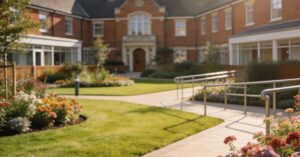
Modern almshouses are far from the outdated image of dark, cramped rooms, as they now frequently incorporate updated facilities such as accessible bathrooms and kitchens to meet the needs of older residents. The Almshouse Association serves as the national representative and support body for these charities, helping them maintain high standards of living. Residents contribute to the upkeep of their homes through a weekly maintenance contribution rather than market rent, a model that keeps housing costs manageable even for those on limited incomes.
Distinguishing the Alms Home from Nursing Care
The primary difference between an Alms Home and a nursing home is that almshouses provide independent living without on-site medical staff, whereas nursing homes offer 24-hour personal care and clinical supervision.
| Feature | Almshouse | Nursing Home |
|---|---|---|
| Level of Care | Independent | 24-hour medical/personal |
| Personnel | No on-site medical staff | Qualified nurses |
| Funding Source | Charitable/Private | NHS/Local Authority/Private |
Eligibility Criteria for the Almshouse Resident
To be eligible for an almshouse, an applicant must demonstrate limited financial means, possess a permanent right to residency in the UK, and show they are capable of independent living. While the minimum age requirement is typically 55 or 60 years, some specific charities may require applicants to be 65 or older. Beyond age and financial status, applicants must prove a local connection to a specific borough, parish, or county, as many of these charities were founded to serve their immediate geographic community.
Remember: Applicants are subject to means testing and formal interviews conducted by the charity’s directors to ensure they meet the specific beneficiary criteria outlined by the original founders. Because there is no centralized housing list, you must apply directly to individual charities that manage the properties you are interested in.
The Application Process and Daily Life
Navigating the housing system can feel daunting, but breaking it down into manageable steps makes the journey much clearer. Have you ever felt like you’re carrying the weight of the world on your shoulders while trying to secure a safe future?
- Use The Almshouse Association database to identify charities in your desired region.
- Contact the charity’s administrator directly to request an application form.
- Collate documentation proving your identity, financial status, and local residency.
- Attend an interview or home visit with the charity’s trustees or a selection panel.
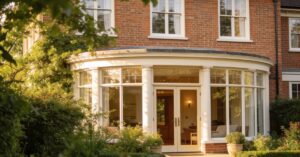
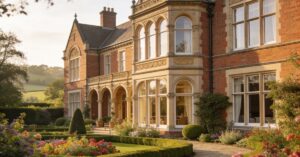
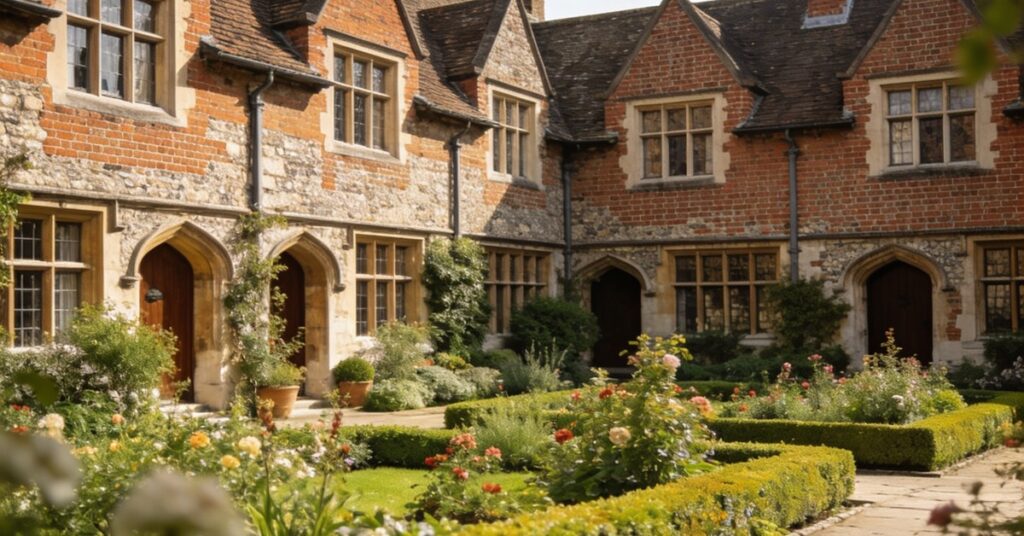
Victorian Heritage and Gallery of Almshouse History
The history of the almshouse dates back nearly a millennium, with the Hospital of St. Oswald in Worcester being founded around 990 AD. Historically known as hospitals or bede houses, these institutions were designed to provide sanctuary for the elderly and infirm, a mission that survived even the mid-16th-century dissolution of the monasteries by King Henry VIII, which resulted in the closure or sale of approximately 800 medieval hospitals in England. The tradition persists globally, such as the Stappenconvent in Deventer founded in 1342, or the Hospital of Holy Trinity established in 1596, proving the longevity of this charitable model.
Benefits of the Almshouse Model
Choosing an almshouse can offer significant benefits, including an increased life expectancy of up to 2.5 years as identified by a Bayes Business School study, likely due to the strong sense of community and reduced financial stress. In my experience as a caregiver, finding a settled, secure environment is the foundation for both physical health and emotional support. When a patient feels secure in their home, their ability to engage with palliative care services and manage their daily routine improves significantly.
- Fees are often fully covered by Local Housing Allowance or Housing Benefit.
- Legally exempt from „Right to Buy” schemes, ensuring long-term security.
- Over 30% of properties are listed buildings, offering heritage and character.
- Significant social value generated through volunteer-led community support.
Najczęstsze pytania (FAQ)
Can I keep my pet when moving into an Almshouse?
Most charities have their own specific policies regarding pets. You should ask the administrator during your initial enquiry, as some communities welcome them while others have restrictions based on the property type.
Is there a limit on how long I can stay?
There is typically no fixed time limit, as almshouses are intended to be homes for life. As long as you remain capable of independent living and adhere to the terms of your license agreement, you can continue to reside there.
What happens if I need to move due to declining health?
Since these homes are for independent living, you would need to plan a transition to a care home if your health needs become too complex. The trustees are generally supportive and can often signpost you to local social services for assistance.
Are these properties only for people on benefits?
They are intended for people in financial need, but this is assessed on a case-by-case basis by each charity. You do not necessarily need to be on government benefits to apply, provided you can demonstrate that your income is limited relative to your housing needs.
Securing a place within a charitable housing community requires direct engagement with individual trustees to confirm your local eligibility. Please reach out to The Almshouse Association to find a stable, supportive home that honours your independence and provides the peace of mind you deserve.