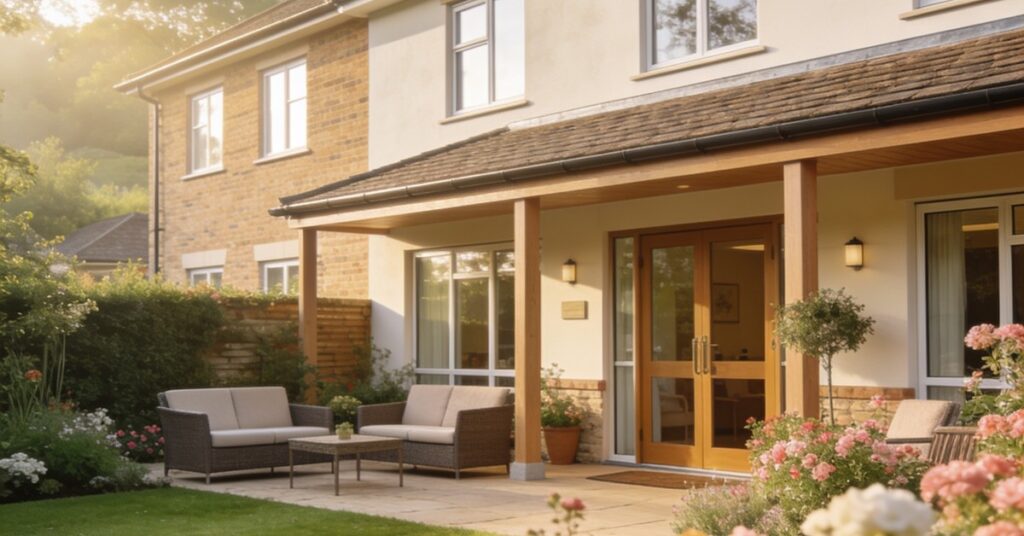
Choosing a care home in Kent during a time of transition is a deeply emotional task that requires both practical clarity and a compassionate approach to ensure your loved one’s dignity and comfort. In this guide, I share expert insights to help you navigate the local care system, understand funding complexities, and identify the environment that best supports your family’s unique needs. By following these steps, you will gain the clarity and confidence needed to make an informed decision that honours your loved one’s journey.
Finding the Right Care Home in Kent
The most effective way to secure a high-quality care home in Kent is to combine digital research tools with official regulatory inspections to create a shortlist of facilities that meet your specific standards. You should start by using carehome.co.uk to filter for facilities that have achieved a review score of 9.5 or higher, as this reflects the real-world experiences of other families. Complement this by cross-referencing your findings with the Care Quality Commission (CQC) inspection reports, which categorise homes as Outstanding, Good, Requires Improvement, or Inadequate. For personalised guidance, consulting the Kent Integrated Care Alliance (KICA) can provide further clarity on local standards and expectations.
When you have a shortlist, contacting the Kent County Council to request a formal needs assessment is a crucial step to determine the level of support your loved one requires. Organisations like Greensleeves Care in Kent are particularly notable for offering a not-for-profit ‘Home for Life’ guarantee, which can provide immense emotional security during an already stressful period. You may also use the Lottie Care Home in Kent Directory to streamline the comparison of weekly fees and site amenities. Taking these steps ensures that you are not just choosing a building, but a community that will prioritise your loved one’s well-being and long-term care needs.
Understanding Residential Care and Dementia Care Services
Kent care homes provide a comprehensive spectrum of professional services designed to maintain both physical health and emotional quality of life. Have you ever felt like you’re carrying the weight of the world on your shoulders while trying to manage these decisions? Many families wonder how to handle the emotional toll of caregiving, but in my experience, taking small, scheduled breaks is essential for your own well-being. The following table outlines the primary types of support you might need to navigate:
| Care Service Type | Primary Focus |
|---|---|
| Residential Care | 24-hour personal support and daily living help |
| Nursing Home in Kent | Complex medical needs with registered nurses |
| Dementia Care Home | Specialised memory support and safe environments |
| Respite Care | Short-term stays to provide respite support for carers |
Beyond the clinical services, the benefits of choosing a residential care home in Kent include access to a vibrant social life and professional healthcare integration. These homes often feature on-site amenities such as cinemas and hair salons, which help maintain a sense of normalcy and dignity for residents. Furthermore, there is consistent access to visiting healthcare professionals, including GPs, opticians, and chiropodists, ensuring that medical needs are addressed promptly. To assist in your search, Kent County Council provides the “Kent County Council Care Guide,” and you can verify the quality of potential homes by looking for those, such as Russell Court Nursing Home in Darenth or Here2Care in Dartford, which hold consistently high CQC ratings for their commitment to resident care.
Navigating Costs and Funding for a Luxury Care Home
Care home fees in Kent are variable, typically ranging from £900 to £2,828 per week, and are determined by the specific type of care required and the location of the facility. Managing the financial burden requires a clear understanding of your legal standing and available assistance. Important: Always ensure your care plan is updated regularly and that you have a formal assessment before committing to private funding, as this determines your eligibility for state support.
- Request a full breakdown of all weekly costs including “extras”.
- Discuss the “third-party top-up” rules if the local authority rate is lower than the home’s fees.
- Confirm if the home accepts NHS Continuing Healthcare (CHC) funding.
For those whose capital is tied up in property, the Kent County Council offers Deferred Payment Agreements to prevent the immediate need to sell a family home, and they also publish a comprehensive “guide to charging for residential care 2026” to help families plan effectively. Individuals with capital between £14,250 and £23,250 will pay a contribution calculated on a sliding scale, ensuring that the cost of care is distributed fairly based on individual financial circumstances.
Evaluating Quality of Care and Manor Style Facilities
The Care Quality Commission (CQC) serves as the definitive authority for assessing the standard of care in Kent, with data showing that approximately 67% of the 54 homes sampled are currently rated as Good. When reviewing potential placements, you will find that facilities like Weald Heights in Sevenoaks have achieved an ‘Outstanding’ rating following their 2025 inspections, demonstrating a high level of excellence for their 79 residents. Other reliable options include Barchester Healthcare in Sutton Valence and Rose Water Place in Maidstone, both holding a ‘Good’ rating with weekly costs starting from £1,694 and £1,781 respectively. Conversely, the Admiralty in Gillingham provides another ‘Good’ quality option with costs from £1,200 per week.
It is important to note that the regulatory landscape is continuously monitored, and while many private facilities achieve high standards, even local authority provision is subject to rigorous inspection. By using the CQC Provider Search, you ensure that you are making decisions based on the most current, objective data available. Always request a copy of the official inspection report when visiting a home, as these documents provide granular detail about the safety, effectiveness, and responsiveness of the care team.
Essential Checks to Personalise Your Park Care Home Visit
When you visit a potential care home, you should focus on both the physical infrastructure and the lived experience of the residents to ensure the environment aligns with your expectations. To make the most of your visit, follow this process:
- Check the accessibility of bathrooms and verify the availability of hoists.
- Ask to see the current activities calendar and sample menu.
- Inquire specifically about how the nursing team performs symptom tracking and medication management for long-term health conditions.
Confirm if the facility encourages residents to bring personal items like furniture or photographs, as this personalisation is vital for emotional comfort during the transition to care. If you feel at ease with the staff and observe that residents are treated with respect and kindness, you are likely looking at a high-quality environment. This visit is your opportunity to listen to your intuition while gathering the hard facts needed to make a sound decision. By being thorough and observant, you are performing an act of profound love and advocacy for your relative, ensuring their final years or period of care are spent in a supportive and dignified setting.
Najczęstsze pytania (FAQ)
How do I know if a facility is the right care home for my relative?
The right care home is one that balances high-quality clinical care with an environment that reflects your relative’s personal preferences. Observe the interaction between staff and residents during a visit to ensure you see genuine warmth, and always cross-reference these observations with their official CQC inspection reports.
What should I look for in an Abbotsleigh Care or similar House Care environment?
Focus on the level of engagement provided to ensure your loved one can lead a fulfilling life within the facility. Look for evidence of meaningful activities, well-maintained communal spaces, and a staff-to-resident ratio that allows for attentive, individualised support.
Can I request a specific type of bedroom or layout?
Yes, many residential care homes encourage you to personalise the space to make it feel like a true home. When you visit, ask about the current availability of rooms and the flexibility to bring personal furniture or cherished photographs to help your relative settle in more comfortably.
Is it possible to receive care in a manor style setting?
Many historic properties have been converted into beautiful care homes that offer characterful surroundings alongside modern safety equipment. When you search for your preferred location, you can filter for specific architectural styles or settings if that is a priority for your relative’s comfort.
Trust your intuition alongside the verified CQC inspection data to find a place that truly feels like home for your loved one. Remember that you are their strongest advocate, and taking the time to visit in person is the most compassionate step you can take in this journey.