Navigating the transition to a retirement village is a significant life milestone that often brings complex emotional and practical questions for families balancing the need for independence with the realities of ageing. In this guide, I will walk you through the essential facts about these communities, helping you understand the financial and legal landscape so you can make an informed decision with confidence and peace of mind. By breaking down the costs, care structures, and long-term implications, we aim to provide a clear, supportive roadmap for your family’s next chapter.
What is a retirement village and how does it work for retirement living?
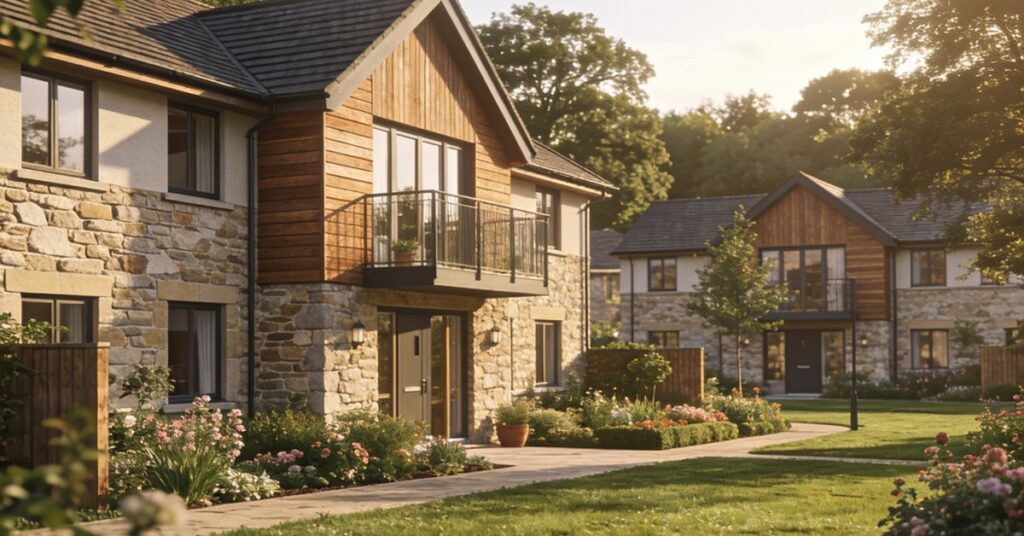
A Retirement Village is a large-scale, age-exclusive residential community, typically comprising up to 250 individual properties, designed to support independent living for older adults who are generally aged 55, 60, or 65 and over. These developments offer a unique blend of privacy and community, where residents own or lease homes such as an Apartment, bungalow, or cottage. Beyond the private residence, these villages provide high-quality communal amenities, including bistros, bars, libraries, swimming pools, gyms, and hair salons. To ensure safety, properties are equipped with accessible features like walk-in showers, step-free access, and emergency call systems, all maintained through a monthly service charge that covers communal grounds and security. Major operators in the UK include McCarthy Stone, Audley Villages, and Inspired Villages.
Distinguishing a retirement village from a nursing care home
The primary difference between a Retirement Village and a traditional Care Home lies in the level of medical supervision: those who live in a Retirement Village facilitate independent living, whereas nursing homes provide 24/7 medical care from registered nurses. It is crucial to distinguish between these settings to ensure the level of care matches your current and future needs. Nursing homes provide 24-hour assistance with daily tasks like washing, dressing, and eating, whereas a Retirement Village focuses on self-contained living where you manage your own daily routines. While some Retirement Villages may offer access to Care Services via CQC-registered agencies or a 24-hour careline, they remain fundamentally distinct from the clinical environment of a traditional Care Home.
| Feature | Retirement Village | Care Home |
|---|---|---|
| Medical Supervision | Limited (Emergency call systems) | 24/7 by Registered Nurses |
| Daily Assistance | Self-managed/Independent | Full assistance (washing, dressing) |
| Funding | Self-funded (Pensions/Savings) | Often State/Local Authority assisted |
Pros and cons when you live in a retirement village
The decision to move into a Retirement Village involves balancing the benefits of a vibrant, age-appropriate community with the reality of significant financial and lifestyle commitments. With approximately 90,000 people currently living in these UK communities, the average resident age is 80, reflecting a desire for companionship and reduced home maintenance. Important: Always verify the tenure type, as the Leasehold and Freehold Reform Act 2024, enacted on 24 May 2024, significantly impacts your rights and long-term security in these properties. While the social benefits of living amongst peers are undeniable, one must carefully weigh the costs, as monthly service or management fees can reach over £1,200.
Costs and hidden fees for a property in a retirement village
Living in a retirement community requires careful financial planning to account for both predictable monthly costs and deferred expenses that only arise when leaving the property. Many families wonder how to handle the emotional and financial toll of these transitions, but in my experience, sitting down with a clear spreadsheet of all projected outgoings is the best way to prevent future anxiety. It is vital to scrutinise the fine print regarding fees that might not be immediately apparent during the initial purchase. Many villages implement “exit fees” or deferred management fees, which are calculated as a percentage of the property’s value upon sale.
- Monthly management fees: £300 to over £1,000.
- Single occupancy charge: £912.50 per month.
- Deferred “exit fees”: 10% to 30% of property value.
- Sales administration fees: Typically 1% of property value.
Legal requirements to buy a property in a retirement village
Moving into a Retirement Village is a legally binding commitment that requires a clear understanding of your tenure and the management organisation’s obligations. Properties are usually sold on a leasehold basis for fixed periods of 99 or 125 years, and residents are legally bound to pay both annual ground rent and monthly service charges for communal upkeep. Contracts often stipulate that residents must contribute to a sinking fund, specifically designed to cover the cost of major structural repairs to the building. To ensure transparency, management organisations are legally required to belong to either The Property Ombudsman or the Property Redress Scheme.
How to choose from various retirement communities
Choosing the right village involves a thorough evaluation of amenities, costs, and the level of support available to ensure it aligns with your long-term health and lifestyle needs. Follow these steps to ensure you make an informed choice:
- Use RealEstate.com to compare average market prices in your target area.
- Request a formal breakdown of monthly service charges and the specific sinking fund contributions.
- Check for the presence of an emergency response system and on-site care availability.
- Assess the proximity to your existing support network, family, and medical centres.
Lifestyle and amenities at Inspired Villages and beyond
Retirement communities are designed to foster an active, engaging lifestyle by providing extensive on-site amenities and social opportunities within a safe, age-exclusive environment. For instance, Audley Sunningdale Park in Ascot offers a serene setting within 79 acres of gardens and woodland, while Inspired Villages manages communities across Hampshire, Warwickshire, and Kent. Remember: While these facilities promote well-being, ensure that any Personal Care or medical support you might eventually need is available through CQC-registered agencies operating within the village. Residents have access to a variety of facilities, including heated swimming pools, spas, hair and beauty salons, and fully equipped gyms.
What happens when you leave your retirement properties
Leaving a Retirement Village triggers a formal administrative and financial process that requires clear communication with the village operator. When a resident moves out or passes away, the estate is typically required to provide 28 days’ notice, while other contractual agreements may mandate a 30-day notice period to the village operator. Important: Property sales often cannot be completed until a Grant of Probate is issued, so keep all legal documents accessible to assist your executors during a difficult time. During this transition, the resident or their estate remains responsible for ongoing service charges, ground rent, and utility bills until a new buyer takes over.
Deciding to move into a Retirement Village is a profound step that combines the desire for a vibrant, supported lifestyle with the practicalities of long-term care planning. Navigating the complexities of contract law and fee structures early on is the most effective way to secure your future independence and peace of mind.
Frequently Asked Questions
Can I keep my pet when I move to a retirement village?
Most villages have specific pet policies that you must verify before purchasing. While many communities are pet-friendly, some may restrict the size or number of animals allowed.
Are guest stays permitted in retirement properties?
Yes, most communities allow guests to stay in your home for limited periods. You should check the village handbook for specific rules regarding the duration of visitor stays and communal facility access.
What is a sinking fund in a retirement village?
A sinking fund is a reserve account that residents contribute to for the purpose of funding major long-term structural repairs. This ensures that the community remains well-maintained without imposing sudden, massive costs on residents for building upgrades.
Is council tax included in the monthly service charge?
No, council tax is an individual responsibility that you must pay separately from your service charges. You should always factor this into your total monthly budget when comparing different retirement communities.