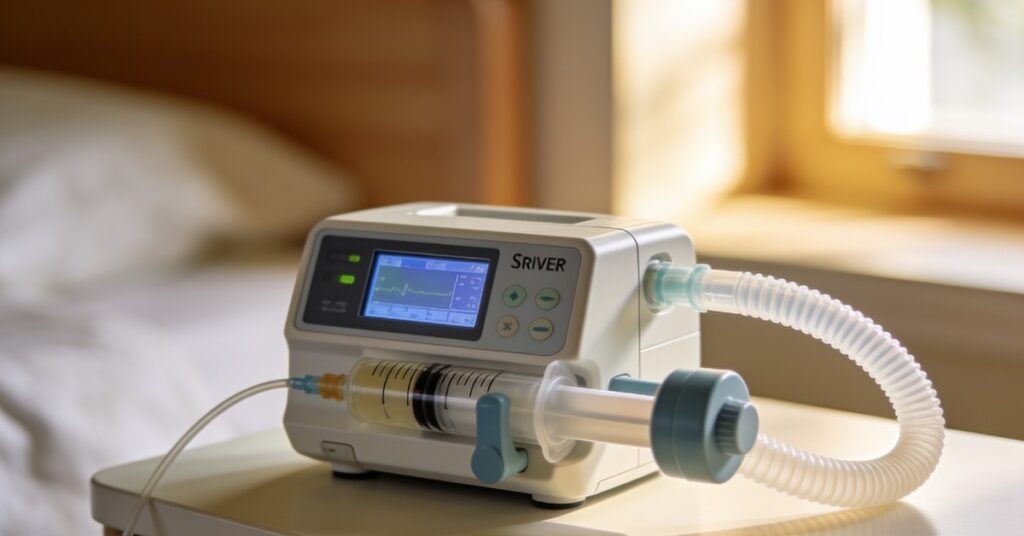
When a loved one approaches the end of life, the introduction of a Syringe Driver is a standard yet often overwhelming step in ensuring their comfort and symptom control. This article provides reliable, practical guidance on how these devices function, what you can expect during the transition, and how to safely support your loved one at home. By understanding the essentials of site care and management, you can focus on what matters most: providing compassionate presence and peace during this difficult time.
Understanding the Role of a Syringe Driver in Palliative Care and Symptom Control
A Syringe Driver is a battery-operated, portable pump device used to deliver essential medication via continuous subcutaneous infusion to patients in their final days of life. This device operates over a standard 24-hour period, ensuring that the patient receives a steady, constant dose of medicine through a fine needle or cannula inserted just under the skin. When discussing the use of a Syringe Driver End Of Life, it is vital to recognise that common models you may encounter in the UK include the BD BodyGuard T and the T34, both of which are designed to be discreet and user-friendly for care at home.
Because the device is portable, measuring approximately 20 cm by 8 cm, it allows the patient to remain in their preferred environment rather than being confined to a clinical setting. It is a highly effective tool that requires minimal intervention from family members, as it is designed to run automatically once set up by a healthcare professional. Managing this equipment effectively is a sign of your dedication to their comfort, and knowing that the pump handles the delivery of medicine allows you to shift your energy toward the more personal aspects of your caregiving duties.
Why the Use of Syringe Drivers Enhances Symptom Management
Syringe drivers are primarily utilised to maintain stable plasma drug concentrations by eliminating the peaks and troughs often seen with intermittent dosing. By delivering medication via continuous subcutaneous infusion, the device ensures that the patient’s symptoms, such as pain or agitation, are managed consistently throughout the full 24-hour cycle. This approach provides a level of comfort that is difficult to achieve with other methods, especially when the patient is nearing the end of their journey. In the context of a Syringe Driver End Of Life, this consistency is the foundation of effective symptom management.
| Feature | Benefit to Patient |
|---|---|
| Continuous Infusion | Eliminates pain peaks and troughs |
| Subcutaneous Route | Bypasses the need for oral intake |
| Combined Medication | Reduces the number of injections |
How Professionals Prescribe Medications for the Last Days of Life
Medical teams prescribe a specific range of medications to be administered via a Syringe Driver to address the unique symptoms of each patient. Common options include Oxycodone at 40mg over 24 hours, Morphine in doses exceeding 120mg, and Haloperidol at 5–10mg over 24 hours. Other frequently used medications include Cyclizine, Metoclopramide, Levomepromazine, Dexamethasone, Octreotide, and Ketorolac. These drugs are chosen specifically for their compatibility and efficacy when delivered through a continuous pump system.
When transitioning to a pump, your palliative care team will perform a careful review of current symptoms to determine the most appropriate dosage. If pain is not adequately controlled, the morphine dose is typically increased by one-third for the subcutaneous infusion. It is worth noting that while NHS England identifies oral therapy as the primary route, the shift to a device is a standard, evidence-based progression when oral routes are no longer viable during the last days of life.
What to Expect During the Setup of a Syringe Driver
The setup of a device involves a nurse inserting a small tube into the patient’s upper arm, thigh, chest, or abdomen, which is then secured with a clear, waterproof dressing. Once the device is activated, it typically takes three to four hours for the new medications to reach a steady, effective level in the patient’s body. During this initial phase, it is common for the palliative team to monitor the patient closely to ensure the infusion is working as intended.
Many families wonder how to handle the emotional toll of caregiving, but in my experience, taking small, scheduled breaks is essential for your own well-being. To keep things organised during this transition, consider keeping a simple log:
- Record the time of the daily syringe refill.
- Note any changes in the patient’s level of agitation or pain.
- Keep a contact list for your district nurse and out-of-hours palliative support.
Caregiver Guide: Site Care and Troubleshooting for the Last Days of Life
Caregivers should inspect the device and infusion site every four hours to ensure the patient’s ongoing comfort and the device’s correct operation. During these checks, inspect the needle site for any signs of erythema, leakage, hardness, swelling, or soreness. Additionally, verify that the green indicator light is flashing and listen for the soft “whirring” sound that confirms the pump is active and delivering the medication as programmed.
Remember: If an alarm sounds or the device appears to be malfunctioning, contact your district nurse or palliative team immediately for professional assistance. Do not attempt to adjust the internal settings yourself, as these are calibrated specifically for the patient’s current needs. It is crucial to keep the device and needle site dry; do not immerse the patient or the device in water. Check that the tubing is unkinked and not trapped under the patient’s body, and inspect the medication in the syringe to ensure it remains clear and free of crystals or large air bubbles.
Safety Guidelines for the Use of Syringe Drivers at Home
Safety at home relies on keeping the device in a locked box to prevent any accidental setting changes by family or visitors. Medication refills must only be performed by a qualified nurse every 24 hours, ensuring the correct dosage is maintained. When implementing a Syringe Driver End Of Life protocol at home, these security measures protect the integrity of the treatment. The T34 model features an “INFO” key, which allows you to check the volume to be infused, volume infused, and current battery levels, providing a quick way to verify the device status.
- Keep the device away from direct sunlight and heat sources to prevent medication crystallisation.
- Ensure the unit remains dry during personal care tasks or showering.
- Check that the tubing is unkinked and not trapped under the patient’s body.
- Always keep the device at or below the level of the injection site.
Managing Reactions and Seeking Specialist Advice
If you notice any irritation at the injection site, it is vital to ask for specialist advice from your palliative care team, as they may need to change the site or adjust the medication combination. Regular symptom reviews are the best way to ensure that the patient’s care remains effective, and these reviews allow the team to refine the care plan as the patient’s needs evolve. You can contact Marie Curie support at 0800 090 2309 if you feel overwhelmed, as they offer expert guidance for those caring for someone at the end of their life.
Frequently Asked Questions
Can the device be used if the patient is unconscious?
Yes, the device is specifically designed for patients who are unable to swallow or are unconscious, ensuring they receive necessary medication without needing oral intake. It provides a reliable method to maintain comfort when the patient can no longer communicate their needs.
How is the medication kept stable in the syringe during the 24 hours?
The medication is kept stable by the controlled, constant mechanical pressure of the pump, which prevents the drug from crystallising. It is important to keep the device away from heat and direct sunlight to maintain this stability throughout the infusion period.
Are there any specific dressings required for the infusion site?
Yes, a clear, waterproof film dressing is required to secure the cannula or needle in place. This allows the nurse to monitor the site for any signs of redness or irritation without needing to remove the dressing unnecessarily.
What happens if the battery runs out unexpectedly?
The device will sound an alarm to alert you that the battery level is low or depleted. You must contact your district nurse or palliative care team immediately to replace the battery or the unit, ensuring the medication delivery remains uninterrupted.
Always keep the device in a secure, locked box and contact your palliative team immediately if the device displays an alarm or stops flashing green. Consistent site checks every four hours provide the best assurance that your loved one remains settled, comfortable, and pain-free during their final days.