Navigating the complexities of Nursing Care is a deeply significant step when supporting a loved one through palliative care or the final stages of their journey. In this guide, I will help you demystify the different levels of professional support available, explain what you can realistically expect from clinical care teams, and provide the practical knowledge you need to make informed, confident decisions for your family. By understanding these essential services, you can focus less on the uncertainty of the healthcare system and more on the precious time spent with those who matter most.
Nursing Care is a specialised, safety-critical profession that provides 24/7 clinical support, personal care, and emotional guidance to individuals with complex health needs, ensuring their dignity and comfort are maintained throughout their journey. It is far more than just medical assistance; it is a holistic form of support that bridges the gap between clinical requirements and the human need for compassion and continuity. Whether delivered in a dedicated facility or within the comfort of your own home, professional nursing is designed to alleviate the burden of symptom tracking, allowing families to move into a role of companionship rather than constant medical oversight.
Understanding Nursing Care Principles and Ethical Foundations for Complex Care
Nursing Care is built upon four fundamental pillars—clinical practice, education, research, and leadership—which work together to ensure that every patient receives safe, evidence-based treatment. These principles are strictly governed by the Nursing and Midwifery Council (NMC) Code, which ensures that all practitioners operate under a robust framework of accountability. By adhering to the core values of integrity, fairness, respect, equity, and effectiveness, nurses provide a stable foundation for patients who may be facing the most vulnerable moments of their lives.
At the heart of this practice lie four healthcare ethics: autonomy, beneficence, justice, and non-maleficence, which guide every decision a nurse makes regarding your loved one’s care. For families seeking to understand the specific standards expected of all staff and students, the Royal College of Nursing (RCN) provides a comprehensive breakdown of these principles at www.rcn.org.uk/nursingprinciples.
Distinguishing Between Professional Nursing Care and Episodic Medical Care
Nursing Care and medical care serve different functions in a patient’s journey, as outlined in the table below to help you identify which type of support your loved one might require:
| Feature | Nursing Care | Medical Care |
|---|---|---|
| Primary Focus | Holistic well-being and daily support | Diagnosis and surgical intervention |
| Availability | Continuous 24/7 bedside presence | Episodic consultations/appointments |
| Key Tasks | Wound care, feeding, medication | Prescribing, surgery, testing |
The nature of this care is inherently holistic, meaning it focuses on the physical, psychological, and emotional well-being of the individual. Specialized tasks like wound care, tube feeding, and precise medication administration are the hallmarks of this service. For those researching local support, facilities such as the Kingsacre Care Home in Clydebank (0141 473 5500) exemplify this round-the-clock commitment to maintaining a patient’s comfort and dignity.
The Diverse Settings and Services for Nursing Care for Older People
Nursing Care is provided across a wide spectrum of environments, from acute hospital wards to the intimacy of a patient’s own residence. Understanding where these services are located is essential for families trying to coordinate the right level of care.
Clinical and Acute Care Environments
Emergency Departments, Intensive Care Units (ICUs), and surgical wards are the primary settings for intensive medical treatments, trauma care, and complex surgical support. Beyond these, acute services (ACS)—including NHS hospitals, independent acute hospitals, and specialised termination of pregnancy clinics—provide high-level medical oversight for those requiring immediate, short-term intervention.
Community and Residential Care Options
For those preferring to stay at home, visiting District Nurses or Community Nurses offer vital services such as IV administration, wound care, and palliative care support. In residential settings, a Nursing Home, assisted living facility, or hospice provides 24-hour medical supervision, including specialised dementia and Alzheimer’s care. It is important to note that the Care Quality Commission (CQC) categorises services such as convalescent homes with nursing, respite care with nursing, and mental health crisis houses as regulated services, which are distinct from Residential Care services without nursing. For a family member, this distinction is critical; a Nursing Care Home must have a Registered Nurse on-site at all times, whereas a standard Residential Care home may only provide personal support without the same level of medical clinical oversight.
Practical Daily Responsibilities of a Registered Nurse in Home Care
The daily role of a nursing professional involves a blend of technical expertise and compassionate oversight, ensuring that every aspect of the patient’s health is managed with precision. Nurses are responsible for the administration of prescribed medications and complex IV therapies, ensuring that dosages are accurate and timing is strictly maintained.
- Conducting physical examinations and recording medical histories.
- Tracking vital signs and monitoring patient health status.
- Collecting lab specimens and drawing blood.
- Managing and supervising teams of healthcare assistants.
- Providing health promotion, counselling, and patient education.
The Process of Creating and Implementing a Care Plan for Complex Care
The nursing care plan process is a structured, five-step framework known as ADPIE, which ensures that care is personalised, measurable, and highly responsive to the patient’s changing needs. Initiated by Ida Jean Orlando in 1958, this method remains the gold standard for clinical care.
- Assessment: Gathering subjective statements and objective measurements.
- Diagnosis: Identifying the specific needs of the patient.
- Planning: Setting SMART goals that are Specific, Measurable, Achievable, Relevant, and Time-bound.
- Implementation: Carrying out independent, dependent, and interdependent interventions.
- Evaluation: Measuring the success of the plan and adjusting accordingly.
How Professional Nursing Care Enhances Patient Outcomes
Professional Nursing Care significantly improves patient outcomes by providing continuous clinical monitoring, which allows for immediate intervention and the prevention of severe complications. Many families wonder how to handle the emotional toll of caregiving, but in my experience, taking small, scheduled breaks is essential for your own well-being.
Remember: Professional Nursing Care acts as a vital bridge in communication between doctors, therapists, and families to ensure continuity of care, which is crucial for managing chronic conditions effectively.
Navigating How to Find a Care Home or Nursing Care Home Near You
Choosing the right nursing provider requires diligent research, starting with verifying that the facility is regulated by the Care Quality Commission (CQC). Use the CQC Provider Search to review specific performance metrics and inspection reports. When you visit a potential provider, such as Oakwood House (Old Watton Rd, Norwich NR4 7TP, 01603 361 417), consider asking the following questions:
- How are staff vetted for medication administration?
- What is your approach to emotional support for residents and families?
- How frequently is the care plan reviewed?
- What qualifications does your nursing team hold regarding dementia care?
Emerging Trends and Innovations in Nursing Care at Home
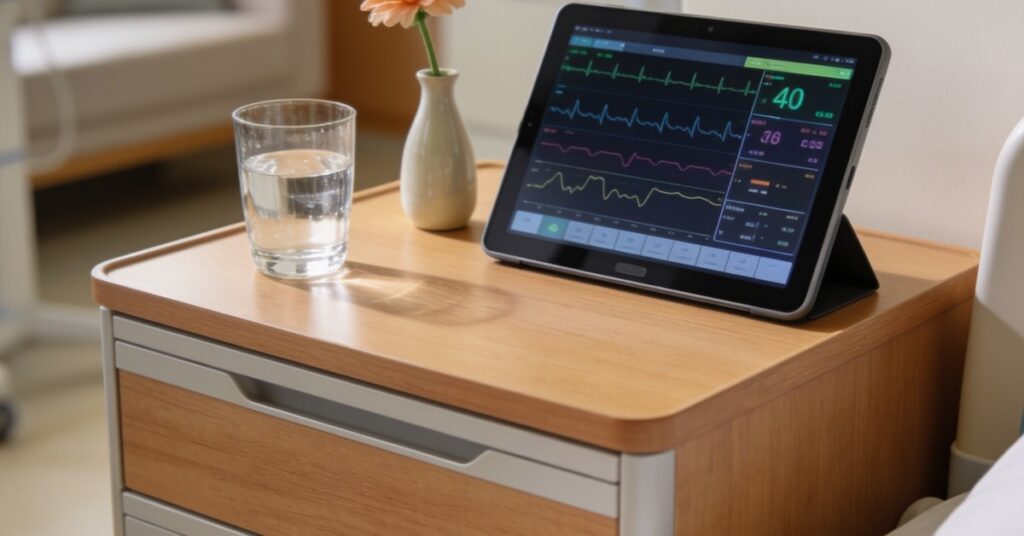
The future of Nursing Care is being transformed by technology, with innovations like AI-driven virtual nursing assistants now transcribing notes directly into Electronic Health Records (EHR). Collaborative robots are increasingly used to transport lab specimens, while eldercare robots assist patients with mobility. As we look toward 2026, the American Nurses Association (ANA) notes a high demand for nurses in telehealth, with remote monitoring and wearable health devices projected as the top healthcare trend.
Frequently Asked Questions
Is NHS-funded nursing care available for everyone?
NHS-funded Nursing Care is a contribution provided by the NHS towards the cost of registered nursing care in a care home for those who have been assessed as requiring it. Eligibility is determined through a formal assessment of your clinical health needs.
How do I verify the quality of a Nursing Care Home?
You should use the Care Quality Commission (CQC) website to search for a specific provider and read their most recent inspection report. Look for an overall rating of “Good” or “Outstanding” to ensure the facility meets high safety and quality standards.
What is the difference between social care and clinical nursing?
Social care focuses on supporting individuals with daily living activities, such as washing, dressing, and eating, to maintain independence. Clinical nursing involves specialized medical tasks, such as wound management and medication administration, performed by a qualified nurse.
Can I receive complex care at home instead of a facility?
Yes, many families opt for professional care at home, where visiting nurses can provide complex clinical support tailored to the patient’s specific needs. This allows the individual to receive high-quality medical oversight while remaining in the comfort of their familiar surroundings.
Verifying that your chosen provider is fully registered with the Care Quality Commission ensures that you are accessing the highest standards of safety and clinical excellence for your loved one. Trusting in a regulated professional partnership will allow you to move past the burden of medical logistics and focus on being present during these precious moments.