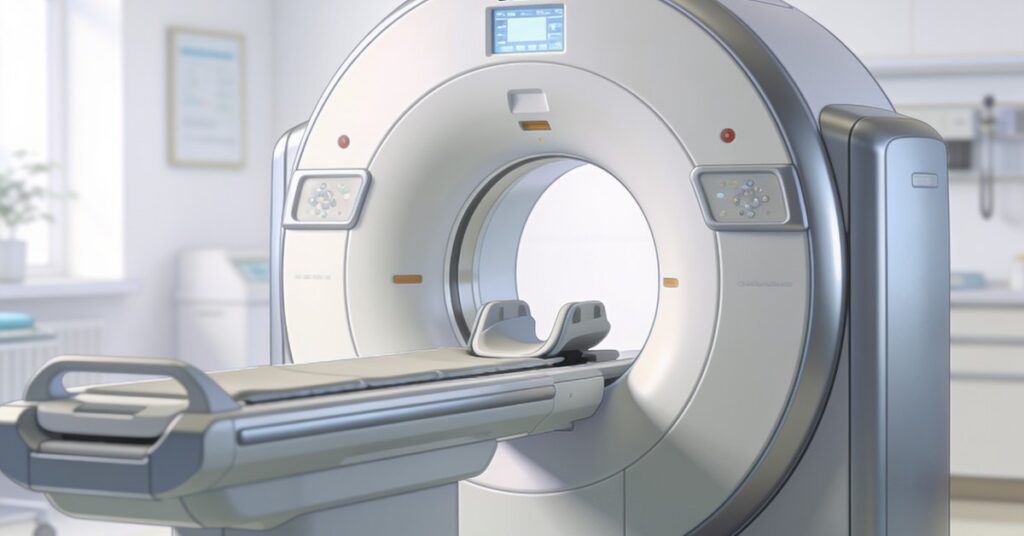
When caring for a loved one, navigating medical tests like a DEXA Scan can feel overwhelming, yet understanding these procedures is a vital step in ensuring their comfort and long-term well-being. This guide offers a clear, compassionate breakdown of what to expect during a bone density scan, providing you with reliable information and practical advice on how to prepare for the appointment with confidence. By demystifying the process, we hope to lighten the burden of your caregiving journey and help you focus on what matters most.
A DEXA Scan is the gold standard diagnostic tool used to measure bone mineral density and assess the risk of fractures, which is a common concern for those in palliative care or managing long-term health conditions. By identifying potential vulnerabilities in bone strength early, caregivers and medical teams can implement proactive measures to prevent falls and maintain the quality of life for their loved ones.
What Is a DEXA Scan Procedure and How Does It Work?
A DEXA Scan stands for Dual-Energy X-ray Absorptiometry, a procedure that takes between 10 to 20 minutes to complete. The machine functions by emitting two narrow, low-dose X-ray beams at different energy levels, which allow it to precisely measure bone mineral density (BMD) by calculating the difference in radiation absorption between dense bone and surrounding soft tissue. This scan typically targets the hip, lower spine, or forearm, as these areas are the most common sites for fragility fractures in ageing or vulnerable individuals.
Who Should Get a DEXA Scan to Measure Bone Density?
A bone density test is recommended for individuals at a higher risk of bone loss to ensure appropriate care and preventative support is in place. Have you ever felt like you’re carrying the weight of the world on your shoulders while trying to keep track of these medical requirements? Many families find that creating a structured list helps manage these appointments without the stress of forgetting critical details.
- Women aged 65 or older and men aged 70 or older.
- Women who experienced menopause before age 45 or have had gaps between periods of more than one year.
- Individuals taking oral corticosteroids for 3 months or longer.
- Those with a body mass index (BMI) of less than 21.
- Anyone who has suffered a broken bone from a minor fall or injury.
- People with a family history of hip fractures.
How to Prepare for a Bone Density Scan
Preparation for a DEXA Scan involves a few simple steps to ensure the accuracy of the imaging results. You should avoid calcium supplements for at least 24 hours before the scan and refrain from taking calcium or antacids like Tums on the morning of the exam. Furthermore, it is critical to avoid any scans using contrast agents—such as CT, MRI, or X-ray with contrast—for at least 7 days before your appointment, as these can interfere with the dual-energy readings.
Practical Attire for Your DEXA Scan Appointment
On the day of your appointment, you must remove keys, wallets, and other metal objects from your pockets before the scan begins. It is best to wear loose-fitting trousers without metal fastenings, and you must avoid clothing featuring metal zippers, belts, or buttons, as these will obscure the imaging. If your clothing is not suitable for the procedure, be prepared to change into a hospital gown to ensure the scan can proceed without obstruction.
What Do DEXA Scan Results Mean for Osteoporosis?
The results of a DEXA Scan are expressed as T-scores and Z-scores, which provide a clinical snapshot of bone health compared to standard benchmarks. A T-score compares your bone density to that of a healthy young adult around age 30 of the same sex, which serves as the standard measurement for postmenopausal women and men aged 50 or older. A result of -1.0 or higher is considered normal bone density, while a score between -1.0 and -2.5 indicates low bone mass, known as osteopenia. A T-score of -2.5 or lower is the diagnostic threshold that indicates osteoporosis.
Understanding Z-Score Metrics
A Z-score compares bone density to the average bone mass of people of the same age, sex, and ethnic background, and is primarily used for premenopausal women, men under 50, and children. A Z-score of -2.0 or lower is interpreted as “lower than expected for your age,” suggesting that further investigation into secondary causes of bone loss may be required. By understanding these metrics, caregivers can better grasp the clinical status of their loved ones and advocate for necessary changes in their care plan.
Are There Any Risks When You Get a DEXA Scan?
A DEXA Scan is a safe, non-invasive procedure, as no needles, contrast dyes, or anaesthesia are required. The level of radiation exposure is extremely low—less than one-tenth of a standard chest X-ray—making it a very low-risk diagnostic tool. However, it is important to note that the scan is strictly not recommended if you are pregnant. While the radiation is minimal, it is worth remembering that all added radiation exposures can slightly increase the risk of developing cancer later in life, so the scan is only performed when there is a clear medical necessity.
How Often Should You Have a Bone Density Scan?
The frequency of a DEXA Scan depends on individual risk factors and the specific guidance provided by medical professionals. I have found that keeping a detailed symptom tracking log helps when discussing these intervals with a GP or consultant. The following table outlines the general recommended intervals for routine screening based on clinical risk factors.
| Risk Category | Recommended Frequency |
|---|---|
| Normal Bone Density | Every 5 to 10 years |
| Moderate Risk or Osteopenia | Every 2 to 5 years |
| High Risk / On Medication | Every 1 to 2 years |
| High-Dose Steroid Therapy | Every 6 to 12 months |
DEXA Scan vs Other Methods to Measure Bone Density
A DEXA Scan is the definitive diagnostic tool because it measures bone mineral density specifically at the hip, spine, and forearm, providing a comprehensive assessment where it matters most. Other methods, such as peripheral DEXA (p-DEXA) and heel ultrasound, only measure a single, non-weight-bearing bone, which may not accurately reflect overall systemic bone health. While Quantitative CT (qCT) can provide 3D measurements and differentiate between trabecular and cortical bone, it exposes patients to significantly more radiation than a standard DEXA Scan. Furthermore, traditional bone scans differ entirely, as they require an injected radioactive tracer to identify metabolic “hot spots” in the skeleton, and newer alternatives like REMS (Radiofrequency Echographic Multi Spectrometry) offer a radiation-free experience using 3D ultrasound.
How to Interpret DEXA Scan Results for Body Composition
Beyond bone density, a DEXA Scan provides valuable data on body composition that can help caregivers manage a patient’s long-term health and cardiovascular risk. Healthy body fat ranges are typically 10–22% for men and 20–32% for women. A critical metric is Visceral Adipose Tissue (VAT); a normal range is below 100 cm³, while 100 cm³ to 160 cm³ indicates increased cardiovascular disease risk, and anything above 160 cm³ indicates high risk. Additionally, the Android/Gynoid ratio provides a health risk threshold, with values greater than 1.0 for men and 0.8 for women suggesting a need for lifestyle or dietary interventions to improve metabolic health.
Coping with Medical Uncertainty as a Caregiver
When a loved one receives a diagnosis of osteoporosis or low bone density, it is natural to feel a sense of worry regarding their future mobility and independence. As a caregiver, your role is to translate these clinical results into tangible support, such as removing trip hazards in the home, ensuring proper nutrition, and facilitating communication with healthcare teams to manage medication. I have seen many families struggle with the emotional weight of these diagnoses, but giving yourself permission to feel and seeking emotional support is a vital step in sustaining your own health. By approaching these medical results with a calm and informed perspective, you are providing the best possible foundation for your loved one’s comfort and dignity.
Navigating the Care System
- Contact your GP to discuss the necessity of a bone density assessment based on current risk factors.
- Ensure that the referral is sent to a facility with appropriate diagnostic equipment.
- Prepare a list of questions regarding medication and mobility aids to ask the specialist during your follow-up appointment.
- Update your local social services or carers rights representative if the diagnosis leads to a significant change in mobility needs.
Frequently Asked Questions
What happens if my DEXA Scan results indicate a high fracture risk?
If your results indicate a high risk, your doctor will likely discuss a treatment plan involving bone-strengthening medications and lifestyle adjustments. These steps are designed to prevent future fractures and maintain your independence as much as possible.
Is a DEXA Scan the only way to diagnose osteoporosis?
While the DEXA Scan is the primary diagnostic tool, doctors also consider clinical history, physical exams, and blood tests to rule out other conditions. A low T-score is the standard indicator, but clinical context is always essential for a complete diagnosis.
Can I bring a family member into the room during the scan?
Policies vary by hospital, but generally, a family member can stay with you in the room, especially if you require mobility assistance. It is best to check with the radiology department when you book the appointment to ensure their current safety protocols allow for a companion.
Do I need to stop taking my blood pressure medication before the scan?
No, you should continue taking all your regular prescribed medications unless your doctor specifically advises otherwise. The only strict restriction is the 24-hour avoidance of calcium supplements and calcium-based antacids.
Remember: Always ensure that your loved one avoids all calcium supplements for 24 hours before their appointment, as even a single dose can skew the bone density readings. Proactive communication with your medical team regarding these results remains the most effective way to prevent future injuries and maintain your loved one’s quality of life.