Navigating the physical demands of caring for a loved one at the end of life can be an overwhelming experience, but learning safe Moving and Handling Patients techniques is a vital step in preserving both your dignity and their comfort. In this guide, I share practical, expert-led strategies that will help you manage daily transfers with confidence, ensuring you have the reliable information and professional best practices necessary to protect yourself and those in your care. By understanding these essential methods, you can focus less on the physical strain of caregiving and more on the precious, meaningful moments that truly matter.
Essential Equipment for Safer Moving and Handling
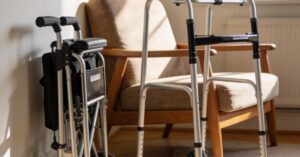
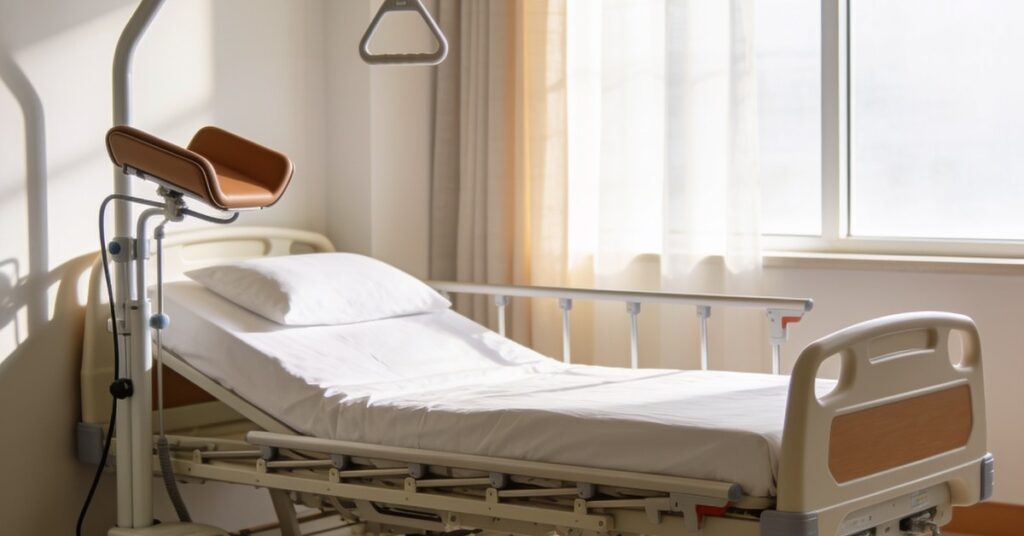
Having the right equipment is the most effective way to reduce the physical burden of caregiving while upholding the patient’s dignity. In my experience, setting up your home environment with these tools early on makes a world of difference for your long-term palliative care success.
- Mechanical Hoists (mobile, ceiling, standing, and bath)
- Slide sheets and transfer boards
- Turning discs and stand-assist devices
- Electric profiling beds and lifting cushions
- Bariatric equipment for enhanced support
Proven Techniques for Good Posture and Patient Handling
You can ensure a safe transfer by using a stable, wide-based stance and keeping the patient as close to your waist as possible to maintain your centre of gravity. Have you ever felt like you’re carrying the weight of the world on your shoulders while trying to manage these transitions alone? If so, know that using the right technique is not just about safety, it is about showing love through competence.
| Practice to Follow | Action to Avoid |
|---|---|
| Bend at knees and hips | Bending at the waist |
| Pivot your feet | Twisting your spine |
| Use a smooth rocking motion | Jerking or lifting suddenly |
Refining Bed Repositioning and Assisted Movement
Bed repositioning should be performed using slide sheets with a team of two to minimise friction and patient discomfort. Instead of lifting, use sliding aids or draw sheets to turn or reposition the patient. If you are assisting a patient with limited mobility, follow these steps to ensure a secure transfer:
- Clear the path of all tripping hazards like rugs or cords.
- Lock the brakes on all starting and ending seats (beds, wheelchairs).
- Pivot the patient toward their stronger side.
- Use a relaxed, underhand palmer hold for walking support.
Planning for Safety: The TILE Risk Assessment
A risk assessment is a practical planning tool that ensures you have considered the Task, Individual, Load, and Environment (TILE) before you begin any manual handling activity. You should assess whether the task is truly necessary, evaluate the patient’s specific mobility needs, consider the physical load, and check that the environment is clear of clutter. In a professional setting, this care plan must be communicated to relevant departments to ensure continuity of care regarding the Moving and Handling Patients protocol.
Regulatory Standards and Employer Training and Updates
Employers have a mandatory duty under the Manual Handling Operations Regulations 1992 to avoid any tasks that risk injury, while the Lifting Operations and Lifting Equipment Regulations (LOLER) require that all mechanical aids be inspected by a competent person every six months. You can ensure your practice meets these high standards by following the Skills for Health Core Skills Training Framework (CSTF). Important: Always keep a record of equipment maintenance and your own training certifications to ensure you are meeting your carers rights and safety obligations.
Preventing Injury and Accident in the Care Environment
Back injuries are the most frequent outcome of improper manual handling, and they are best prevented by strictly adhering to ergonomic principles and avoiding dangerous practices like the Australian or shoulder lift. Always raise adjustable beds to waist level to prevent forward bending. By consulting the Health and Safety Executive (HSE) Moving and Handling Guidelines, you ensure your Moving and Handling Patients methods remain compliant with national safety standards and provide the best emotional support through physical stability.
Frequently Asked Questions
How often should I assess the care environment for hazards?
You should assess the environment before every single transfer to identify potential risks like loose rugs or poor lighting. Regular daily checks ensure that your workspace remains free of any new hazard that could lead to an accident.
What should I do if my loved one refuses to use the hoist?
Gently explain that the hoist is designed to keep them safe and comfortable, which ultimately preserves their dignity during the move. If resistance continues, consult with a hospice nurse to discuss alternative ways to facilitate movement that feel less intrusive.
Are there specific legal documents I need to keep for my equipment?
Yes, you must retain inspection certificates for any lifting equipment to comply with LOLER requirements, usually provided by the service engineer. Keeping these documents in a dedicated folder helps prove that the equipment is safe for ongoing use.
Can I perform manual handling if I am feeling physically exhausted?
No, you should never attempt to move a patient when you are fatigued, as this significantly increases the chance of an injury to both you and the patient. It is better to wait for assistance or use a mechanical aid to ensure the transfer is performed safely.
Prioritising mechanical aids over manual lifting is the most effective way to protect your long-term health while ensuring your loved one feels secure and respected. Remember that your own physical wellbeing is the foundation of compassionate care, so always rely on proper technique to keep both you and your patient safe.