Choosing a career in Complex Care is a profound commitment that sits at the very heart of compassionate, end-of-life support, requiring both clinical expertise and a deeply empathetic touch. In this guide, you will find essential, reliable information on what these vital roles truly involve, what qualifications you need to get started, and how to prepare yourself for the unique emotional and practical challenges of this rewarding field. Whether you are a seasoned carer or looking to transition into specialist support, this resource will help you navigate your path with confidence and professional clarity.
Understanding the Role and Duties of a Complex Care Support Worker
Complex Care jobs involve providing intensive, one-to-one clinical support for individuals living with high-acuity medical conditions, primarily within the comfort of the client’s own home. By delivering care in a residential setting, these roles offer a vital alternative to hospitalisation, ensuring that individuals with conditions such as Motor Neurone Disease, Multiple Sclerosis, or Cerebral Palsy can maintain their dignity and quality of life. This work is essential for those requiring constant monitoring and specialised intervention to manage their health safely.
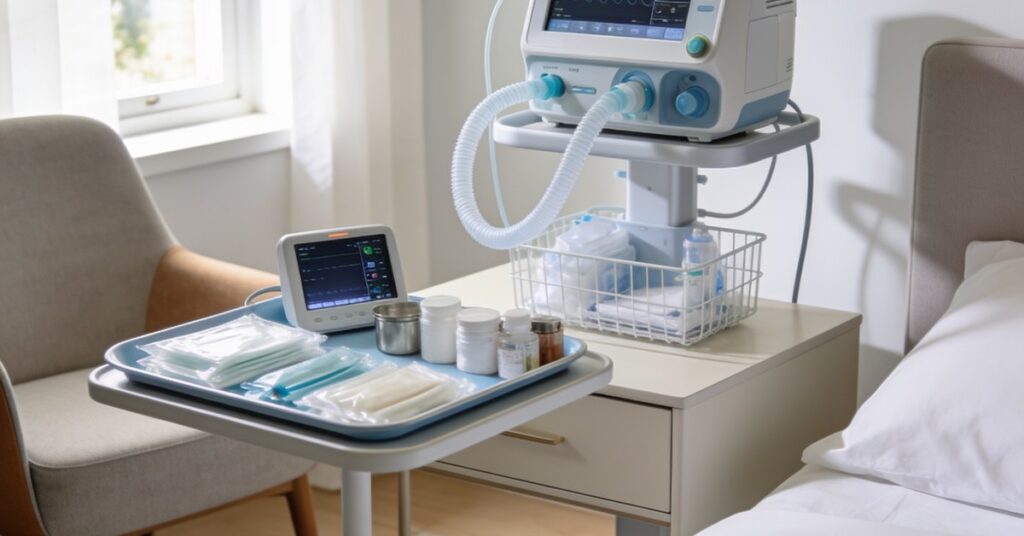
The daily duties of a Support Worker in this sector are diverse and demanding, requiring both technical precision and human-centred care. You will be responsible for managing ventilators, tracheostomies, oxygen therapy, and enteral feeding systems such as PEG tubes, alongside assisting with catheter and stoma care. Beyond these clinical tasks, you will also handle physical requirements like bathing, dressing, and moving and handling, while providing essential Palliative Care that prioritises the patient’s comfort and emotional well-being.
Essential Qualifications and Skills for a Healthcare Assistant
To qualify for a position within this field, you must demonstrate a foundation of at least six months of paid, hands-on care experience within the UK, ensuring you have the practical maturity required for high-acuity environments. Employers typically look for candidates who hold a Level 2 Diploma in Care or a Level 3 Diploma in Health and Social Care, as these provide the theoretical framework necessary for safe practice. Furthermore, you will need an Enhanced DBS check to ensure the safety and protection of the vulnerable individuals you support, or a PVG check if you are seeking employment in Scotland.
Technical Competencies and Practical Access for the Care Team
Beyond formal diplomas, you must possess specific clinical skills, including tracheostomy management—covering airway maintenance, suctioning, and emergency tube changes—and the ability to accurately administer medication while logging entries on Medication Administration Record (MAR) charts. Proficiency in infection control and safeguarding protocols is mandatory. Additionally, holding a full UK driving licence and having access to a private vehicle is a common requirement for the position.
- Valid Enhanced DBS or PVG certificate.
- Level 2 or 3 Diploma in Health and Social Care.
- Full UK driving licence and access to a reliable vehicle.
- Evidence of mandatory clinical training (e.g., tracheostomy, PEG management).
Navigating the Professional Landscape for a Complex Care Assistant
The primary benefit of working in these specialised roles is the ability to deliver personalised, one-to-one support that significantly reduces the risk of hospital-acquired infections and prevents unnecessary hospital admissions. This role allows you to foster a deep, trust-based relationship with the individual you support, providing a level of continuity that is rarely possible in larger institutional settings. Many families wonder how to handle the emotional toll of caregiving, but in my experience, taking small, scheduled breaks is essential for your own well-being.
| Feature | Standard Care | Complex Care Support |
|---|---|---|
| Care Plan focus | Companionship & basic tasks | Clinical & medical intervention |
| Shift duration | 30 mins – 1 hour | 12-hour nights / Live-in |
| Support ratio | General support | 1:1 or 2:1 ratio |
Career Progression and Salary Expectations in Complex Healthcare
Career progression in this sector is structured to reward those who invest in their clinical and leadership development, with an entry-level Complex Care Assistant typically earning between £24,000 and £36,000 per annum. As you gain expertise, you can pursue senior carer roles or transition into management by obtaining a Level 5 Diploma in Leadership and Management. These managers are responsible for ensuring that all social care services remain fully compliant with rigorous CQC standards.
Remember: Always document your continuous professional development, as specific clinical training in ventilator management or seizure care is what ultimately unlocks higher-tier salary brackets and senior clinical responsibilities.
Strategies for Securing Your Next Complex Care Vacancy
Finding the right Complex Care jobs involves targeting specialist agencies and platforms that cater to high-acuity support needs. When preparing for your next interview, consider the following steps to ensure you stand out as a professional candidate.
- Research the specific clinical needs of the client listed in the job description.
- Prepare STAR-method examples for clinical scenarios like PEG feeding or ventilation.
- Review your local safeguarding protocols and GDPR responsibilities.
- Draft a list of questions regarding the agency’s supervision and Emotional Support structures.
Summary of Key Differences: Standard vs. Complex Care
The fundamental difference between standard care and Complex Care jobs is the level of clinical intensity, with standard care focusing on companionship and light domestic tasks, while the former requires nurse-led, condition-specific expertise. When you transition into this high-level support, you move away from basic life support toward intensive training that is highly tailored to the individual’s medical needs. Have you ever felt like you’re carrying the weight of the world on your shoulders while navigating these career choices? It is a demanding, high-responsibility role, but for those with the right temperament, it is an incredibly meaningful way to support someone through their most difficult chapters.
Frequently Asked Questions
Are there specific roles for supporting Paediatric or Childrens complex cases?
Yes, many agencies specialise in paediatric support, which requires additional training in developmental needs and specific clinical protocols for children. You will often work closely with a multidisciplinary team to ensure the child’s environment is both safe and nurturing.
What is the role of an HCA in managing Brain Injuries?
An HCA (Healthcare Assistant) in a neurological support role focuses on cognitive rehabilitation, physical mobility, and managing behavioural changes associated with brain injuries. You will implement specific care plans designed to improve the client’s independence and safety within their home.
How is clinical support supervised in a home setting?
Clinical support is typically overseen by a Registered Nurse or a Clinical Lead who provides regular competency assessments and supervision. This ensures that all procedures, such as suctioning or medication administration, remain compliant with the highest safety standards.
Can I progress from a support worker to a specialist therapist role?
Yes, many professionals use their experience as a support worker to gain insight into the field before pursuing further university education in areas like Occupational Therapy or Physiotherapy. Your hands-on experience provides a strong foundation for understanding patient-centred care.
Securing success in this field requires a rigorous commitment to ongoing clinical training and a proactive approach to maintaining your personal well-being. By keeping your certifications current and your heart open, you provide the highest standard of care while ensuring your own professional longevity in this vital work.