Ensuring meaningful engagement in care homes is a vital component of palliative and end-of-life support, as it fosters dignity, comfort, and emotional connection during life’s most delicate chapter. In this guide, you will find practical, evidence-based activity strategies designed to improve resident wellbeing, alongside expert advice on how to structure a calendar that truly honours the needs of your loved ones. By implementing these compassionate approaches, you can create a nurturing environment that transforms daily routines into moments of purpose and genuine joy.
The primary purpose of activities for care homes is to maintain the psychological, physical, and social health of residents, ensuring their remaining time is filled with dignity and purpose rather than sedentary isolation. These activities serve as a bridge to normalcy and comfort, acting as a buffer against the loneliness that often accompanies the transition into residential care. Whether through gentle physical movement or sensory-based stimulation, a well-managed activities programme directly addresses the human need for connection and personal agency, which is foundational to effective palliative care and emotional support.
Activities for care homes
Essential approaches to care home engagement
Successful programming for residents in care facilities relies on a harmonious combination of interpersonal connection, mental engagement, and light physical activity. Highly recommended initiatives include rhythm and movement sessions, culinary workshops, musical engagement, and guided memory-sharing circles. For maximum participation, be sure to tailor all initiatives to the specific mobility needs, personal backgrounds, and lifelong passions of the individuals in your care.
Categorizing meaningful engagement
A balanced care home activity schedule incorporates both individual and group settings to ensure inclusivity. These programs generally fall into four primary classifications:
- Physical & Wellbeing: Gentle activities such as seated stretching, tai chi from a chair, balloon-based games, and leisurely strolls in the garden. These routines help boost blood flow and physical flexibility while maintaining safety.
- Cognitive & Memory: Brain-teasing tasks including trivia competitions, classic board games, and narrative sharing. Sessions focused on nostalgia, such as reviewing vintage photographs or discussing music from past decades, are particularly beneficial for emotional well-being.
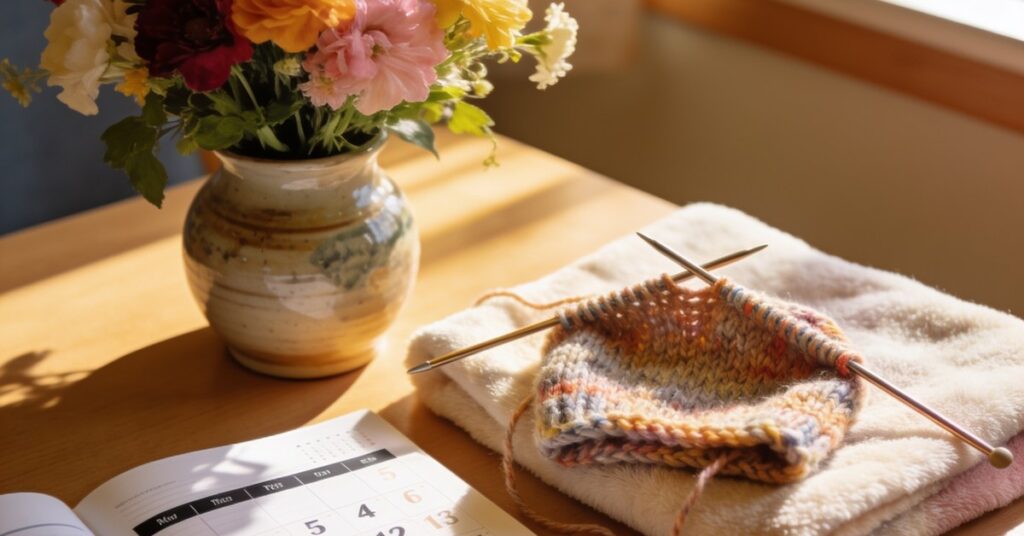
- Creative & Expressive: Artistic pursuits like scrapbooking, knitting projects, painting, and flower arranging. These hobbies support fine motor skills and provide a deep sense of satisfaction.
- Social & Community: Hosting gatherings like communal tea afternoons, coffee tastings, themed celebratory evenings, and events that invite different generations to socialize together.
Developing a resident-focused lifestyle
Planning for residential care requires taking a wide range of ability levels into account. Staying active is vital for healthy aging, which is why institutions often prioritize seated fitness classes. Whether it is through basic arts and crafts or organized social gatherings, the objective is to prioritize the preferences and hobbies of the residents. Many modern care environments utilize specialized software to create collaborative lifestyle plans that are developed directly in partnership with the residents themselves, ensuring that every activity matches their personal story and daily needs.
Activity inspiration for daily living
Often, the most effective concepts are the simplest ones. Whether it is a quiet morning spent coffee tasting to build community bonds, or a lively sewing circle, focus on activities that spark joy and connection. By prioritizing personalization and utilizing structured, person-centered planning tools, caregivers can ensure that each resident remains feeling involved, valued, and active throughout their stay.
Holistic Wellbeing and the Best Activities in Care Homes
Structured programmes are essential because they establish a predictable weekly routine that provides residents with events to look forward to, significantly reducing anxiety. Participation in social events, such as a quiz, bingo, and afternoon teas, serves as a powerful tool to combat loneliness and improve overall quality of life. Furthermore, engaging in regular activities has been shown to strengthen the immune system and increase working vocabulary, providing a vital cognitive boost that helps residents feel more connected to the world around them.
Beyond social engagement, mental and physical stimulation is critical for long-term health maintenance. Activities like brain games, puzzles, and reminiscence sessions are specifically designed to support memory retention and delay cognitive decline. From a physical health perspective, adapted exercise classes, light movement, and gentle walks are effective ways to reduce the risk of falls. Have you ever considered how much a simple, consistent routine can alleviate the burden of uncertainty for a resident?
| Activity Type | Primary Benefit | Focus Area |
|---|---|---|
| Physical Exercise | Fall prevention & mobility | Balance & strength |
| Cognitive Games | Memory retention | Mental alertness |
| Social Events | Combating loneliness | Emotional wellbeing |
For instance, Oakbank Care Home employs a dedicated activities coordinator to create weekly, tailored programmes that balance these physical and mental needs, while in Crieff care homes, residents often participate in group drawing and outings into the local town to maintain community ties. This structured approach ensures that every individual, regardless of their specific health status, has access to meaningful engagement that supports their overall symptom tracking and emotional stability.
Creative and Sensory Care Home Activity Ideas for Residents Living With Dementia
Creative and sensory activities are best understood as therapeutic tools that allow residents to express themselves and find tactile comfort when verbal communication becomes difficult. These activities are particularly important for those living with dementia, as they provide a safe space to explore emotions and memories without the pressure of traditional social interaction.
Creative Pursuits and Flower Arranging
Creative activities allow residents to maintain dexterity and a sense of accomplishment through tangible, artistic output. Popular choices include pottery painting, card making, and knitting, which require focus and fine motor skills. Residents often find deep satisfaction in projects like life-story scrapbooking, as it allows them to curate their personal history.
- Pottery painting and clay modelling
- Traditional crafts such as sewing and woodworking
- Personalised life-story scrapbooking
- Nature-inspired tasks like painting terracotta pots and flower arranging
Sensory Stimulation and the Therapeutic Garden
Sensory-based activities provide immediate tactile, olfactory, or visual grounding for residents, helping to reduce agitation and promote a sense of security. Important: Always ensure that sensory materials are cleaned regularly and checked for safety hazards to prevent choking risks.
- Fidget blankets featuring zippers, buttons, and fleece for tactile comfort.
- Scent kits containing ground coffee, cinnamon, or peppermint.
- Sensory garden beds with rosemary and mint for olfactory engagement.
- Robotic plush pets for gentle company.
Fostering Social Interaction and Popular Activities
Group activities serve as the primary engine for social interaction, preventing the withdrawal often associated with chronic illness or the end-of-life journey. By participating in collective experiences, residents are reminded that they are part of a community, which is essential for emotional stability and grief support.
Commonly, these groups revolve around shared interests or lighthearted competition. Trivia nights and bingo are perennial favourites that encourage friendly rivalry and mental alertness. Gardening clubs allow residents to work together on a common goal, while group reading and the creation of watercolour postcards provide a communal creative space. Additionally, tea and coffee mornings offer a relaxed atmosphere for conversation, while pet therapy sessions with visiting animals provide unconditional affection.
Inclusive Fun Activities for Limited Mobility and Hand Massages
Engaging activities for residents with limited mobility must focus on accessibility and personalized care to ensure no one is excluded due to physical constraints. By utilizing adaptive equipment and focusing on 1:1 attention, we can ensure that every resident, regardless of their physical capacity, feels included and valued.
Many families wonder how to handle the emotional toll of caregiving, but in my experience, taking small, scheduled breaks is essential for your own well-being. To effectively implement these activities, follow these steps:
- Assess the resident’s current mobility and interest levels.
- Consult with nursing staff to ensure the activity aligns with the care plan.
- Prepare the environment for safety and accessibility.
- Facilitate the activity with patience, allowing for rest periods.
Practical adjustments include the use of raised-bed planters for gardening, which allow residents in wheelchairs to participate without strain. For sensory engagement, staff can utilize percussion instruments like tambourines during music sessions. For those needing quiet, personal comfort, facilities offer 1:1 pampering sessions including hand massages, manicures, and aromatherapy.
How to Design Your Monthly Activity Plan
Planning a monthly calendar requires a systematic approach to ensure that the schedule is both diverse and manageable for the staff. The most effective calendars are those that prioritize consistency, using a mix of recurring weekly events and unique, one-off experiences to keep the environment stimulating. When drafting your calendar, start by fixing recurring weekly events before adding sporadic special events, as this provides a sense of security for vulnerable residents.
Use tools like Canva to create editable templates. Remember: Use high-contrast fonts (black text on white or yellow backgrounds) to ensure the schedule is legible for residents with visual impairments. When you are looking for external resources, contact Person Centred Software at +44 1483 357657, or utilise the Wellbeing Activities Platform, which provides access to over 4,500 activity resources.
Frequently Asked Questions
How can I encourage a resident who is typically withdrawn to join a group session?
Start by inviting them to observe the activity without any pressure to participate. Often, a gentle approach involving a familiar sensory element, like the smell of fresh coffee or a visiting therapy animal, can naturally pique their interest and encourage involvement.
What are the benefits of inter-generational activities for elderly care?
Inter-generational programmes help to bridge the gap between age groups, providing residents with a renewed sense of purpose and connection to the wider community. These interactions can significantly boost morale and provide a fresh, vibrant energy to the residential environment.
How do I manage the safety of residents during physical exercise classes?
Always conduct a thorough risk assessment before starting any movement-based session and ensure all exercises are adapted for seated participation. Keep the movements slow, controlled, and focused on maintaining existing range of motion rather than high-intensity exertion.
What role does music play in supporting residents living with dementia?
Music acts as a powerful trigger for long-term memory, often allowing residents to reconnect with their personal history and emotions. Incorporating familiar tunes into daily routines can significantly improve mood and facilitate communication when verbal interaction becomes challenging.
Thoughtful implementation of these diverse activities for care homes creates a profound sense of belonging and purpose for every resident. Always prioritize high-contrast visual aids to ensure that your activity schedules remain fully accessible to those with varying levels of visual acuity.