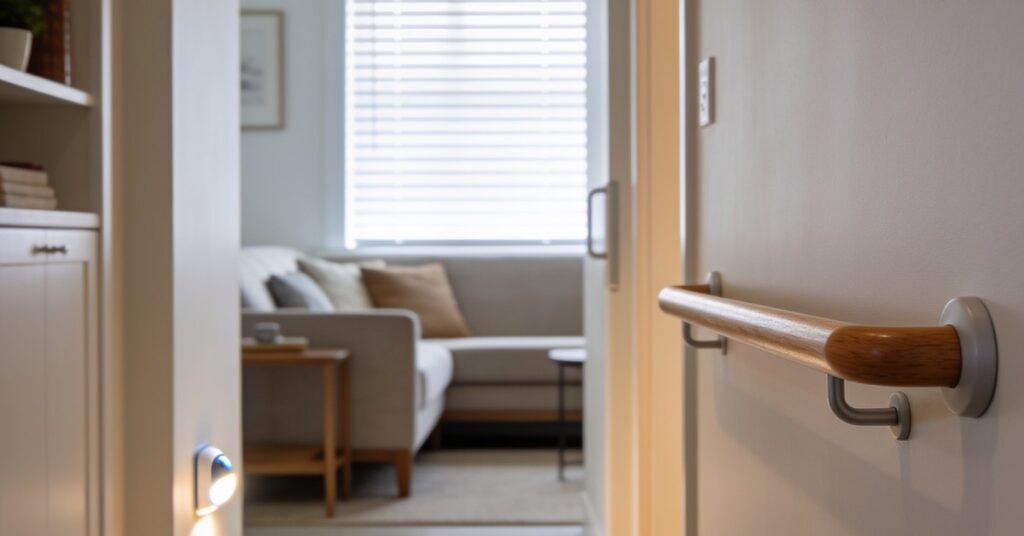
Ensuring a secure home environment is a cornerstone of compassionate care, providing the peace of mind necessary to focus on what truly matters during your loved one’s final journey. In this guide, you will find practical, expert-led strategies to identify potential hazards and implement supportive modifications that protect your family’s well-being. By following these evidence-based steps, you can confidently transform your home into a safer, more stable sanctuary while preparing for the practical challenges that may arise.
Home safety in the context of palliative care is fundamentally about reducing environmental stress so that you can provide consistent, high-quality support without the constant fear of accidental injury. By proactively managing physical risks, you minimise the likelihood of emergency crises, which allows you to preserve your physical and emotional energy for the intimate, final months of caregiving. Integrating these standards into your daily routine is not merely about maintenance; it is about creating a reliable environment where you can focus entirely on the emotional needs of your loved one rather than worrying about avoidable domestic hazards.
Improving Room Safety and Moving Around
Adapting your home for improved mobility is the most effective way to maintain a loved one’s dignity and independence while reducing the physical strain on your own body as a caregiver. You can achieve this by systematically removing common tripping hazards and installing supportive hardware that assists with daily transitions.
To prevent falls, secure area rug edges to the floor using heavy-duty double-sided tape, as loose carpets are a leading cause of domestic accidents. You should also replace circular doorknobs and cabinet pulls with lever-style handles, which require significantly less grip strength, and install professionally mounted grab bars inside showers and next to toilets to provide stability during personal care routines. Finally, place motion-sensor nightlights in hallways, bathrooms, and bedrooms to ensure safe navigation during the night, reducing the risk of disorientation or nocturnal falls. These small, deliberate changes in your Home Safety layout significantly increase the autonomy of those under your care, making the daily routine smoother and less physically demanding for both parties.
Fire Prevention and Battery Safety Tips
Fire prevention is a critical component of end-of-life home management, requiring a rigorous approach to both alarm maintenance and the safe positioning of household items. You must treat Fire Safety as a daily duty, ensuring that your environment remains free from ignition sources that could compromise your loved one’s comfort and security.
Test smoke and carbon monoxide alarms at least once a month to ensure they are fully operational. Use smoke alarms that are mains-operated or equipped with a 10-year Battery to reduce the frequency of manual maintenance. Furthermore, keep heaters and fireplaces at least 3 feet away from flammable items, and maintain a similar distance between tea towels, paper, or curtains and the hob. Practice a 2-minute household evacuation drill twice a year to ensure that everyone in the home knows exactly how to exit safely in the event of an emergency. This proactive approach to fire protection is a vital part of maintaining a secure Home Safety profile.
Kitchen Safety and Hazard Prevention
Effective management of your water and gas systems is essential for preventing domestic accidents and controlling the spread of infections or hazards within the home. You should maintain cold water systems at a temperature below 20°C, while storing hot water at a minimum temperature of 60°C to prevent the growth of harmful bacteria like Legionella. When adjusting water heaters, set the maximum temperature to between 50°C and 60°C to ensure safety while remaining efficient.
Gas safety is equally paramount; ensure that all gas appliances, such as boilers and ovens, are serviced annually by a registered professional. If you are caring for a child or a vulnerable adult, you should also install magnetic or strap latches on cabinets containing cleaning supplies and detergents to prevent accidental ingestion. Always keep medications in their original, child-resistant packaging and use a weekly pill organizer or automatic dosette box for medication management, which helps prevent double-dosing or errors that could lead to medical emergencies.
| Utility Item | Safety Threshold / Action |
|---|---|
| Hot Water Tank | Minimum 60°C to inhibit bacteria |
| Water Heater Setting | Between 50°C and 60°C |
| Cold Water System | Below 20°C |
| Gas Appliances | Annual professional service |
Security Against Intruders and Flood Prevention
Security provides a vital layer of psychological safety, allowing you and your loved one to feel protected and undisturbed during vulnerable times. You can significantly harden your home against unwanted entry by replacing standard strike plate screws with 3-inch heavy-duty screws, which prevent doors from being easily kicked in.
Install double-key deadbolts on entry doors and apply shatter-resistant film to ground-floor windows and sliding glass doors to make forced entry much more difficult. Outside, install motion-sensor or dusk-to-dawn lighting around exterior pathways to eliminate dark corners, and plant prickly shrubs under windows as a natural deterrent. You can also use wireless window alarm kits and use timers for indoor lights, TVs, or radios to simulate occupancy when you are away from the house. While securing your perimeter, ensure that external drainage is clear to prevent potential Flood damage during heavy rainfall.
Emergency Preparedness Planning
Creating a home emergency preparedness plan ensures that you are ready to act decisively when a crisis occurs, such as a power cut or a medical incident. Have you ever felt like you’re carrying the weight of the world on your shoulders? Many caregivers find that having a structured plan helps alleviate this pressure, as it removes the need to make complex decisions during an emergency.
Important: You should sign up for your utility provider’s Priority Services Register if you rely on medical equipment, as this ensures you are identified as a priority for support during service outages.
- Call 105 to report any power cuts or electrical emergencies.
- Pack a 3-day supply of non-perishable food and bottled water.
- Include a wind-up or battery-powered radio for communication.
- Store waterproof copies of passports, ID, and insurance papers in a dedicated bag.
- Keep a first aid kit and current prescription copies readily accessible.
Frequently Asked Questions
How can I prevent a choking hazard if my loved one has difficulty when they swallow?
Ensure that food is prepared to the correct consistency as recommended by a speech and language therapist to prevent any risk of aspiration. Always keep the individual in an upright position during meals and avoid distractions to help them focus on the act of eating safely.
What should I do if a small Magnet is found in the home?
Small magnets are extremely dangerous if ingested and must be kept strictly out of reach of children or vulnerable adults who may put objects in their mouths. Check your home thoroughly for any loose magnets from toys or decorative items and dispose of them immediately in a secure bin.
Why is it necessary to register appliances on the AMDEA Product Recall website?
Registering your appliances ensures that you are notified directly by the manufacturer if a safety defect is discovered, which could otherwise lead to a fire or electrical failure. This simple step is a crucial part of proactive maintenance that protects your entire household from hidden risks.
How do I know if my electrical extension leads are safe for use?
Always fully unwind cable drum extension leads before use to prevent the build-up of heat, which can lead to melting or fire. Ensure that all electrical leads carry a recognised British or European safety mark and avoid plugging high-power appliances into domestic extension cords.
Taking these practical steps to secure your environment reduces daily stressors and allows you to dedicate your focus to providing comfort during end-of-life care. Remember that consistent maintenance of your safety alarms is the most effective way to ensure a protected and peaceful sanctuary for your loved one.