
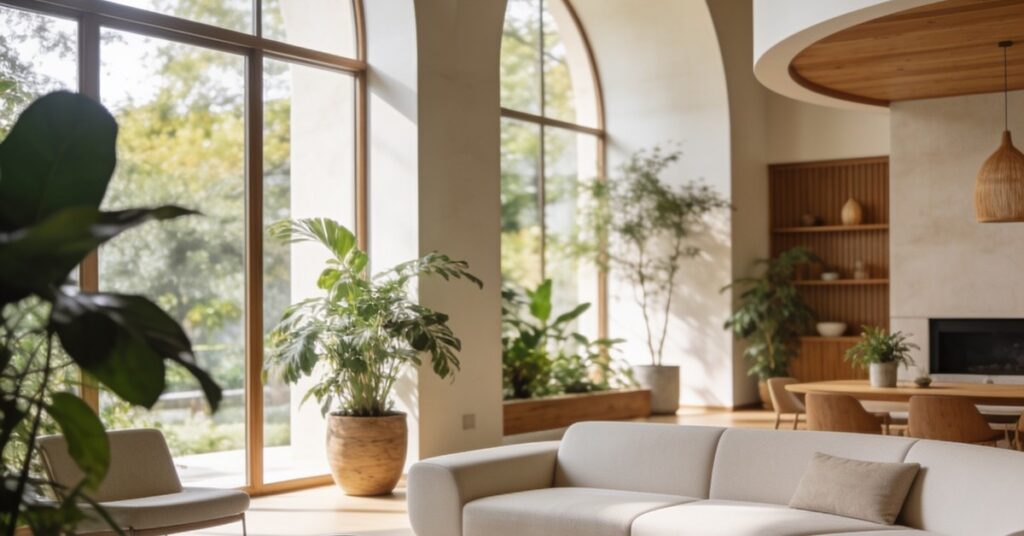
Planning for My Future Living environment is a deeply personal journey that becomes especially significant when navigating the complexities of palliative care or adjusting to life after a loss. In this guide, I share expert, compassionate insights on how to transform your home into a sanctuary that prioritises your dignity, physical comfort, and emotional well-being. By focusing on practical adaptations and sustainable design, you will learn how to create a supportive space that provides lasting security and peace of mind for the years ahead.
Spis treści
ToggleEstablishing a Secure Foundation for My Future Living and Retirement Property
The most important step in preparing your future living space is to align your physical environment with your current and anticipated health needs, ensuring that autonomy remains at the heart of your home. By proactively addressing accessibility and financial stability, you reduce the emotional burden on yourself and your family during vulnerable transitions in care.
Financial Planning for Housing and Renting in Retirement
Securing your financial future requires a realistic assessment of your long-term capital needs alongside professional guidance to navigate inflationary pressures of 3% to 4%. A survey of 723 financial planners and insurance professionals highlights that 43% of clients are currently reducing spending and 37% are utilising savings, reflecting a cautious approach to retirement where expenditure for couples in London averages £43,711. You should consult the FCA Financial Services Register to find a regulated adviser who can help you manage these costs.
| Action | Purpose |
|---|---|
| Reducing spending | Preserving capital for long-term care |
| Withdrawing savings | Managing immediate liquidity needs |
| Postponing retirement | Extending income-earning years |
Expert Overview of Adapting Your Home Accommodation and Facility
Ageing in place effectively requires specific structural modifications that allow you to maintain your independence while ensuring safety for mobility aids. As a caregiver, I have seen how these small changes can transform a stressful environment into a space of true palliative care support.
- Widen approach paths to a minimum of 1200mm.
- Ensure internal doorways have a clear opening width of at least 750mm.
- Maintain a 1500mm diameter turning circle in main rooms for wheelchair manoeuvring.
- Install light switches between 450mm and 1200mm from the floor.
Smart Technology Amenities for Your Residential Community
Modern smart home innovations act as a discreet support system, allowing for health monitoring and environmental management that adapts to your unique routines. Have you ever considered how technology could bridge the gap between independence and the need for symptom tracking?
Remember: Smart sensors tracking breathing and sleep patterns can provide essential data to your medical team without the intrusion of wearable devices.
Sustainable Housing and Minimalist Design Principles
Sustainable housing trends improve your living quality by reducing external stress factors and lowering long-term maintenance requirements through advanced materials. Technologies like Phase-Changing Materials in walls and self-healing concrete seal micro-cracks, while greywater recycling and MVHR systems minimise waste and heat loss. These proven methods offer a way to build a resilient home that supports your health while contributing to a smaller environmental footprint.
The Psychological Benefits of Flexible Design
Designing My Future Living space with minimalist principles and natural elements directly lowers cortisol levels and promotes emotional stability during times of grief or transition. Navigating the grief process is a unique journey for everyone – giving yourself permission to feel is the first step.
- Declutter surfaces to reduce visual anxiety.
- Use curved furniture to create a softer, non-threatening environment.
- Establish a dedicated care plan zone for rest and recovery.
- Connect your living space to greenery to restore attention.
Najczęstsze pytania (FAQ)
How can I find a retirement community that offers medical support?
You should begin by contacting your local council’s social services department to request a needs assessment for a supported facility. They can provide a list of local providers that offer the specific level of palliative or nursing care you require.
What are the primary benefits of renting in retirement compared to owning?
Renting in retirement often removes the burden of property maintenance and provides greater flexibility if your health needs change suddenly. This approach allows you to preserve your capital while living in a managed accommodation setting with built-in amenities.
Are there specific legal protections for tenants in retirement housing?
Yes, tenants in retirement housing are protected by standard tenancy legislation, but you should always check if your lease includes specific clauses regarding care services. It is advisable to have a solicitor review any contract to ensure your rights regarding long-term residency are fully secured.
Can I receive formal help with household chores in my own home?
Yes, you can arrange for formal home care support through private agencies or local authority social services to assist with daily tasks. These services are designed to help you maintain your independence within your own home for as long as possible.
Investing in structural accessibility today ensures your home remains a safe, dignified sanctuary as your needs evolve. Prioritising these practical adaptations provides the peace of mind necessary to focus on what truly matters: your comfort and quality of life.