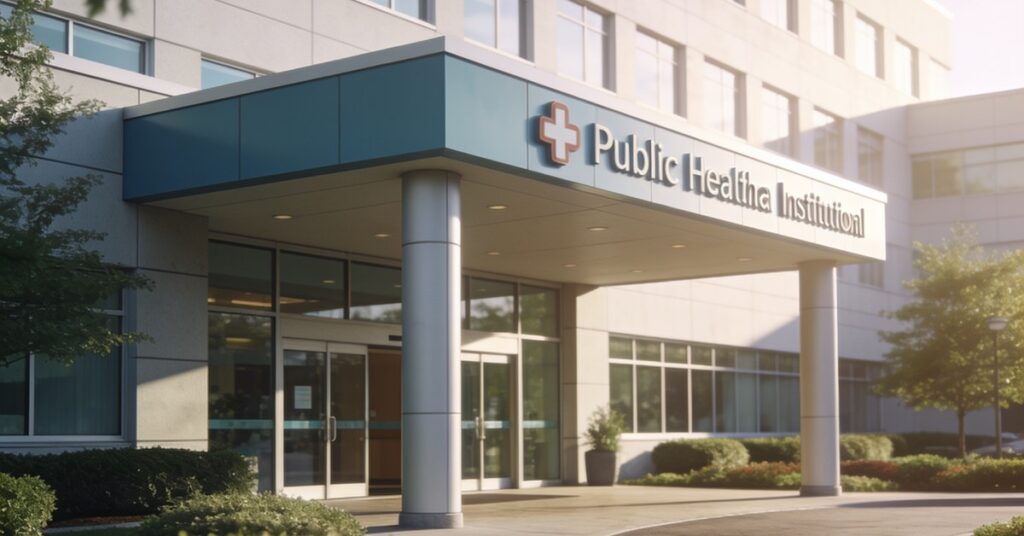
Navigating the healthcare system during a period of illness or bereavement is often overwhelming, especially when you are trying to find clear, reliable information about a facility like Croydon University Hospital. In this guide, I will help you understand what to expect from the services provided at this hospital and how to effectively prepare for appointments or emergency visits during challenging times. My goal is to provide you with the practical clarity and professional support you need to manage these medical complexities with greater confidence and peace of mind.
Croydon University Hospital, historically and affectionately known to many as May Day Hospital, is a major public district general hospital located on Mayday Road, Thornton Heath, in South London. It functions as a vital part of the Croydon Health Services NHS Trust, providing essential medical care through a capacity of approximately 700 beds to support the local community during their most vulnerable moments.
Understanding Croydon University Hospital and Croydon Health Services NHS Trust
The facility was originally founded in 1885 as the Croydon Union Infirmary and has undergone several identity changes, including being known as May Day Hospital from 1923 until 2002, and Croydon Hospital from 2002 until 2010. It officially adopted the name Croydon University Hospital in 2010, marking its commitment to modern clinical standards and education within the National Health Service (NHS).
Urgent Care and Emergency Ward Services at the NHS Hospital
If you or a loved one are facing a life-threatening condition, please dial 999 immediately, as the Emergency Department located at 530 London Road, Thornton Heath, CR7 7YE, is available 24 hours a day, 7 days a week. For non-life-threatening urgent needs, the Urgent Treatment Centre operates daily from 8:00 am to 8:00 pm, providing a necessary alternative to the main emergency ward.
Accessing the Emergency Department
You can reach the Emergency Department directly by calling 0208 401 3015 for guidance regarding urgent care. When arriving at the site, please note that access to both the Emergency Department and the Urgent Care Centre is specifically via Woodcroft Road, which helps streamline the flow of patients requiring immediate clinical attention.
Navigating Appointments and Contact Details for Croydon Health
Securing an appointment at the hospital generally requires a formal referral from your General Practitioner (GP) to ensure your care is coordinated with your primary health team. Once a referral is processed, you can contact the main booking line at 020 8401 3000, which is managed by the Points of Delivery team Monday to Friday, between 8:30 am and 5:30 pm.
Digital Tools and Departmental Contacts
Patients aged 16 or over can utilise the NHS App to manage their appointments, while the MyCare Croydon Patient Portal is an excellent tool for viewing scheduled dates and times. For specific clinical needs, please use these direct lines:
- Day Surgery: 020 8401 3737
- Pre-operative Assessments: 020 8401 3880
- CT Scans: 020 8401 3049
- MRI Scans: 020 8401 3696 or 020 8401 3694
Clinical Specialities, Paediatric and Maternity Unit Care
The hospital operates as a fully equipped district general facility, featuring 670 beds, eight main operating theatres, a day surgery suite with three theatres, and two obstetric theatres. These resources allow the trust to provide a broad spectrum of care, from routine surgery to complex medical interventions.
Specialist Departments and Support
Specialised care is delivered through several key units, including the 24-hour Accident and Emergency Department, a Moorfields Eye Hospital satellite clinic, the Rainbow Children’s Unit, and the Neonatal Intensive Care Unit. Additionally, patients have access to the Croydon University Vascular Unit, the Acute Medical Unit, a dedicated Haematology Department, the Maternity Unit, and the Abdominal Wall Reconstruction Unit.
Quality of Care, CQC Ratings and Ward Performance
The Care Quality Commission (CQC) most recently assessed the trust on 3 March 2026, assigning an overall rating of Requires Improvement, with the report published on 25 June 2026. This rating reflects both the challenges identified in urgent services and the ongoing efforts of the trust to improve safety and leadership, following a warning notice issued on 24 April 2025 and focused inspections on 1 and 2 April 2025.
Finding Reassurance in Care
It is important to remember that Requires Improvement is an assessment of systems and processes, and many individual departments, such as Day Surgery and Critical Care units, are generally rated as Good. As a caregiver, maintaining an open dialogue with the medical team is the best way to ensure your loved one receives the compassionate, high-quality attention they deserve.
Najczęstsze pytania (FAQ)
Can I donate to the hospital to support the staff?
Yes, the trust welcomes donations to support clinical services and staff well-being, which you can arrange through the official Croydon Health Services NHS Trust website. These contributions help enhance patient care and provide additional resources for departments in need.
Are there dermatology or renal services available on-site?
Yes, the hospital provides a diverse range of outpatient clinics, including specialist dermatology and renal services for patients requiring long-term management. Please consult your GP to obtain a formal referral to these specific departments if you require an assessment.
Do student nurses work on the wards?
Yes, as a teaching hospital, the site hosts student nurses who work under the supervision of qualified staff to gain clinical experience. This educational environment ensures that the next generation of healthcare professionals is trained to the highest standard within the NHS.
Is there a specific protocol for maternity unit admission?
Yes, expectant parents should contact the Birth Centre directly upon the onset of labour or if they have specific medical concerns regarding their pregnancy. The team will guide you on when to arrive and which entrance to use for a smooth admission process.
Proactive communication with your medical team is the most effective way to ensure your loved one receives the compassionate care they deserve. Remember to keep a consistent symptom tracking log, as this simple step provides the vital clarity needed to navigate complex health decisions with greater confidence.