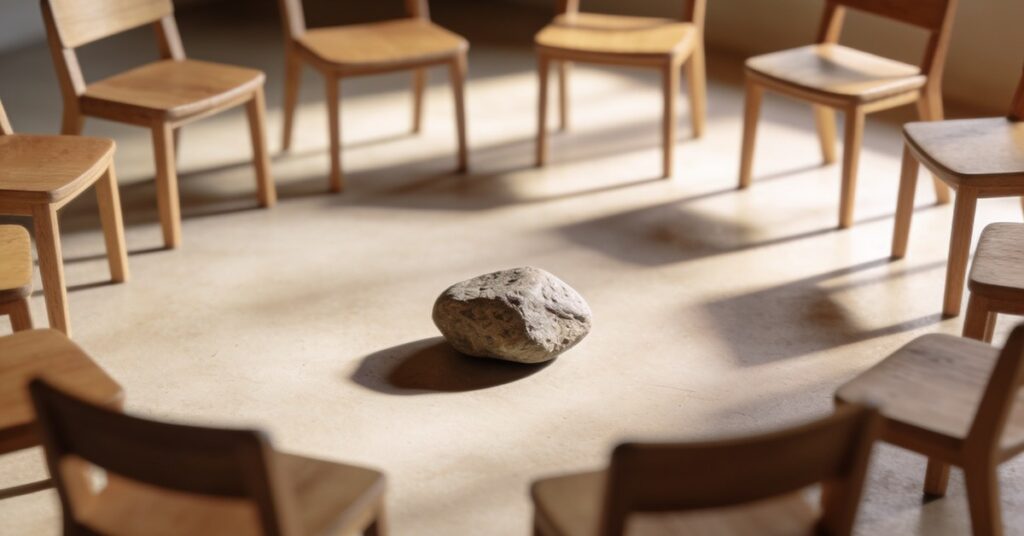
Navigating the overwhelming waves of bereavement is a profound challenge, and finding a supportive, non-judgmental space to share your journey is a vital step in the healing process. In this guide, I share expert insights into how a Grief Circle functions, what you can expect during your first meeting, and how to access these compassionate communities both online and in your local area. By understanding these structured practices, you will be better prepared to seek the gentle, peer-led support you deserve while managing your own path through loss.
A Grief Circle is a dedicated, structured gathering where individuals come together to share their experiences of loss in an environment of mutual respect and equality. It acts as a primary component of “Grief Tending” practices, designed to ensure that every voice carries the same weight, regardless of the individual’s specific circumstances or the duration of their bereavement. Whether you are a caregiver finding your own footing or someone directly navigating the loss of a loved one, these circles offer a unique sanctuary for the human spirit.
Defining the Grief Circle and the Compassionate Space for Healing
A Grief Circle functions as a facilitated, intentional space where participants sit in a physical or virtual circle to ensure that every member has an equal opportunity to be heard. This process is anchored by a trained facilitator who opens the space by establishing clear ground rules, leading a grounding exercise, or sharing a poignant reading to set a tone of reflection.
Central to the success of this practice is the use of a “talking piece,” such as a stone or a feather, which is passed between participants to indicate who has the floor, ensuring that only one person speaks at a time. The environment is strictly non-clinical, meaning that participants are prohibited from offering unsolicited advice, attempting to “fix” another person’s pain, or trying to solve problems for their peers. By focusing on embodiment exercises before the circle and soothing integration practices afterward, the process creates a safe container for the complex, often non-linear experience of grieving. Have you ever felt like you’re carrying the weight of the world on your shoulders and just needed someone to listen without judgement? While sharing is a central opportunity, it remains entirely optional for every participant, ensuring that the pressure to perform is removed from the equation.
Therapeutic Benefits of Bereavement Support and Navigating Grief
Participating in bereavement support groups can directly reduce the physical symptoms of grief, such as persistent headaches, exhaustion, fatigue, or a sense of inner restlessness. These meetings follow a highly structured format led by a professional facilitator, which helps members navigate their emotions within a predictable and secure framework.
| Feature | Group Grief Circle | Individual Therapy |
|---|---|---|
| Primary Format | Peer-led group sharing | One-on-one professional |
| Typical Cost | Often free or low-cost | Variable/Private fees |
| Focus | Collective wisdom | Evidence-based clinical treatment |
One of the primary benefits is the voluntary nature of the group; you are invited to participate, but you are never under any obligation to speak, allowing you to simply listen until you feel ready. All discussions within the circle are protected by strict confidentiality, ensuring that personal stories remain within the group. Furthermore, these sessions provide access to specific coping techniques and strategies for managing the mundane but difficult tasks of daily life during a period of loss. Many organisations, such as St Michael’s Hospice, offer these monthly bereavement groups free of charge to the public, regardless of whether the individual had any prior involvement with the hospice’s own palliative care services.
What to Expect in Your First Meeting and Experienced Bereavement Guidance
Your first Grief Circle meeting typically lasts between 60 and 90 minutes and follows a consistent rhythm designed to hold and honour your emotions. Meetings generally begin with a moment of silence, a reading, or mindful breathing, after which the facilitator establishes the group guidelines, boundaries, and clear expectations regarding confidentiality.
Remember: If you are attending an online session, you must be connected at least 30 minutes before the start time to allow the facilitator to assist with any technical challenges.
- Arrive early to ensure a stable connection.
- Listen actively to others without preparing your own response.
- Respect the “right to pass” if you aren’t ready to speak.
- Participate in the closing ritual to transition back to your daily routine.
During the sharing portion, participants are invited to talk about their feelings, memories, or the various ways grief is manifesting in their lives. Crucially, other members do not provide analysis or advice on your story, ensuring you feel heard rather than evaluated. The session concludes with a comforting ritual, such as lighting a candle or taking a final collective breath to mark the end of the space. For those seeking more intensive intervention, it is worth noting that one-to-one sessions with providers like Cruse Bereavement Support typically last between one and six meetings.
Comparing Peer Support Frameworks with Individual Therapy
Grief circles differ from individual therapy by leveraging the collective wisdom of 10, 15, or 20 peers rather than focusing on a single, one-on-one relationship with a licensed mental health professional. While individual therapy often utilises evidence-based treatments such as Cognitive Behavioural Therapy (CBT) in a private clinical setting, these group circles are frequently free or significantly more affordable, making them a highly accessible form of support.
Research, including a 6-month follow-up study by K. Komischke, has found that group-based CBT therapy is noninferior to individual therapy in reducing symptoms of Persistent Grief Disorder (PGD), PTSD, and depression. Organisations such as The Compassionate Friends and Grief in Common provide these group support services as a way to integrate the “comforting in, dumping out” rule—a concept where you receive support from those closer to the centre of the grief while offering your own support to those further out. This distinction ensures that you are not overburdening your immediate support system while still finding the connection you need.
Finding Meaningful Grief Support and Others Who Understand
You can find a local Grief Circle by using the Cruse Bereavement Support Branch Finder or the AtaLoss Services Directory by entering your postcode into their respective online databases. Cruse Bereavement Support is a major national resource, operating over 80 branches across England, Wales, and Northern Ireland, and they also manage a National Helpline at 0808 808 1677 for immediate assistance.
In my experience, taking small, scheduled breaks is essential for your own well-being when navigating loss, as the emotional toll can be significant. If you require urgent emotional support, you can contact Samaritans on their freephone number, 116 123. For those seeking specific local options, the Circle of Comfort is located at The Tudor House Hotel, 51 High Street, Tewkesbury, GL20 5BH; you can reach them by calling 07958 384837. Additionally, the Good Grief Trust website acts as a comprehensive portal, providing access to over 1,000 UK-based charities and organisations that specialise in bereavement support.
How to Facilitate a Supportive Programme and Community Building
Starting a new Grief Circle requires a space where chairs are arranged in a circle to ensure total visibility for all participants, with standard session durations of 60 to 90 minutes. You should provide essential comfort items such as tissues, water, and grounding fidget objects, while maintaining an up-to-date directory of local therapists and support groups to which you can refer members if they require professional clinical help.
When hosting, you must decide between an open format, which allows for drop-in attendees, or a closed format, which requires a set number of weeks for a consistent group. During the sharing portions of the session, allocate 2-3 minutes per person to ensure everyone has a fair chance to speak. It is highly recommended to use the “Speaking Grief Ring Theory” as a community-building tool to help participants understand their roles. For administrative templates and guidance, you can download “The Circle Way Hosting Guide” or “The Circle Way Pocket Guide.” Furthermore, I strongly advise reviewing Heather Stang’s “Guidelines for trauma-informed peer support” to ensure your facilitation remains safe, kind, and effective for all attendees.
Recommended Facilitator Checklist
- Confirm the venue or virtual platform access.
- Prepare a clear, printed list of ground rules.
- Have a “talking piece” ready for the go-around.
- Keep a list of local care plan resources for professional referrals.
Virtual Grief Options for Times of Grief and Mindful Coping
Virtual grief circles provide accessible support through various online platforms, such as Grief Support, which offers workshops, rituals, and ongoing circles. My Grief Angels is another excellent resource, providing free, peer-led virtual support groups that allow you to connect with others from the comfort of your own home.
If you prefer a scheduled monthly space, Room for Grief hosts a bereavement session on the third Monday of every month from 9:00 AM to 10:30 AM Pacific Daylight Time. For those based in the UK, Embracing Grief offers support events both online and in-person in London and Devon, structured as one-off workshops for those who cannot commit to long-term programmes. Additionally, the website “The Circle Way” provides a specific hosting guide tailored for virtual grief circles, which can be invaluable if you are looking to start your own online group.
Frequently Asked Questions
Is there a specific age requirement to join a circle?
No, most community-based circles are open to any adult navigating bereavement. Some organisations offer specialised groups for children or young people, so it is worth checking the specific criteria of the local branch you contact.
What if I feel overwhelmed during a session?
You are always free to step away from the circle at any time to take a quiet break. Facilitators are trained to support participants who may need a moment to regulate their breathing or collect themselves before returning to the group.
Do I need to be religious to attend?
No, these circles are universally inclusive and do not require any specific religious affiliation. The focus is on the human experience of loss rather than any particular spiritual or faith-based doctrine.
How can I contribute if I do not want to speak?
Your presence and active, compassionate listening are considered valuable contributions to the group. By simply being there, you help create the supportive atmosphere that allows others to feel safe enough to share their own stories.
Reaching out for support is a courageous step that ensures you do not have to carry the weight of loss in isolation. Always remember to check your connection early for virtual meetings, as a stable environment is key to fully engaging with the compassionate community you deserve.